

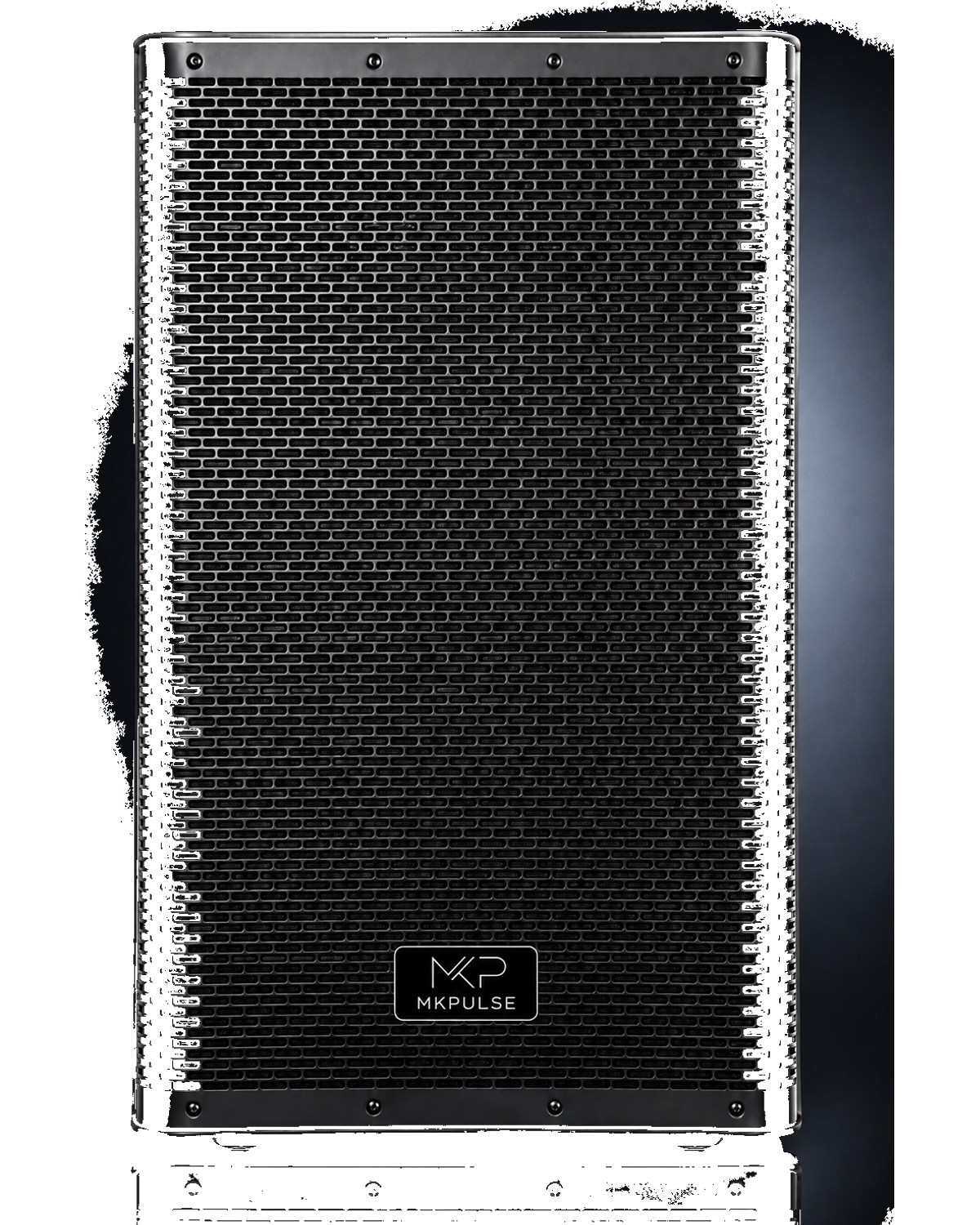
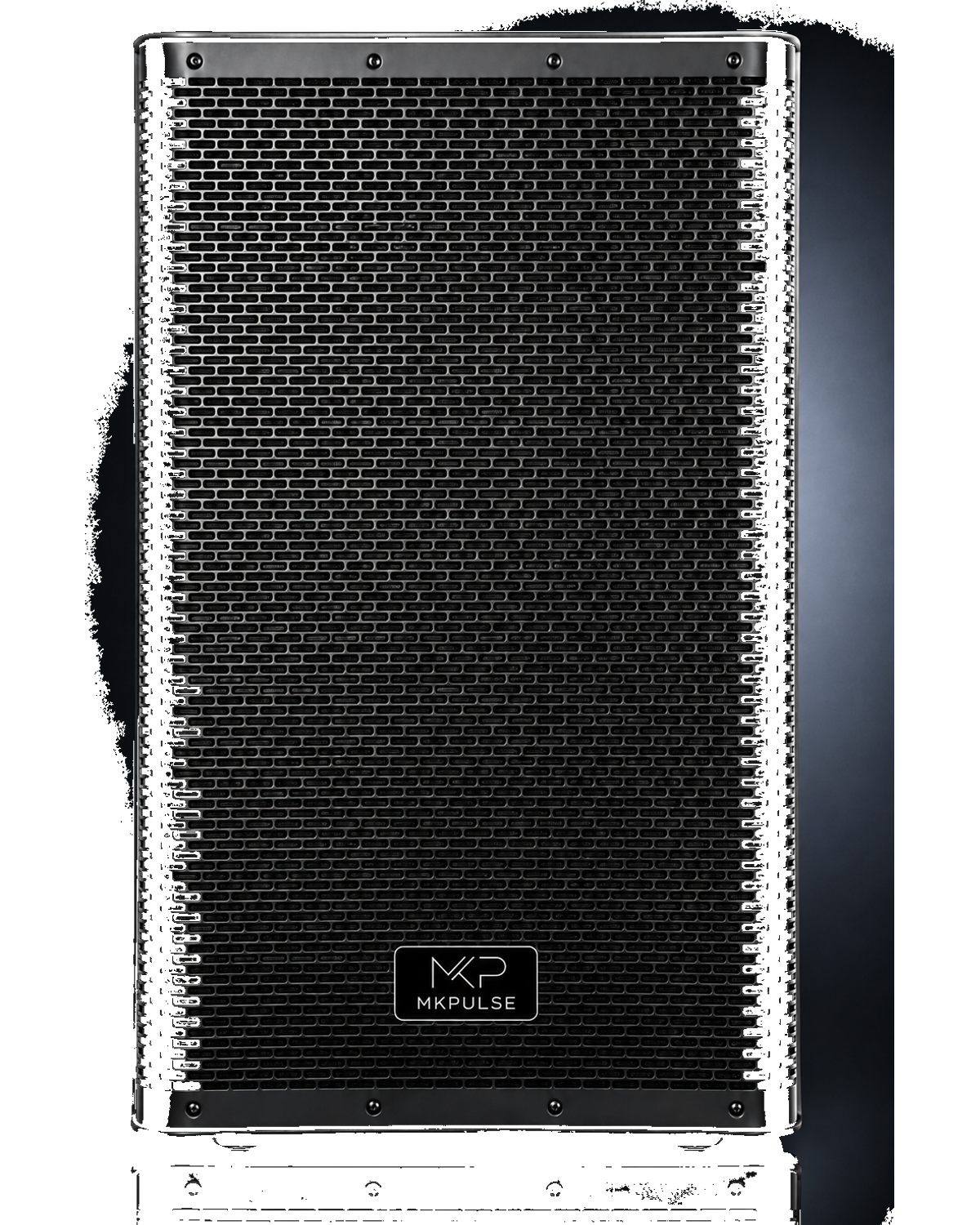
There is a moment every mobile DJ and venue host recognizes: the portable battery speaker that worked for backyard parties stops being enough. The floor is bigger, the set is longer, and turning the gain up only buys distortion. That is the line where a 15-inch powered PA earns its keep. The MKPULSE S15 is built for those nights — 400W RMS / 800W Peak, a full-size cabinet, dual XLR/¼-inch combo inputs, DSP modes, and an LCD that keeps status visible when the room is already moving.
This guide covers when to step up from portable battery PA, how to place and feed the S15, how to use DSP without overthinking it, and how to keep a venue night clean from load-in to last song. Compare the full lineup anytime on Compare, and if you are still deciding between models, start with Best portable PA speaker buying guide.
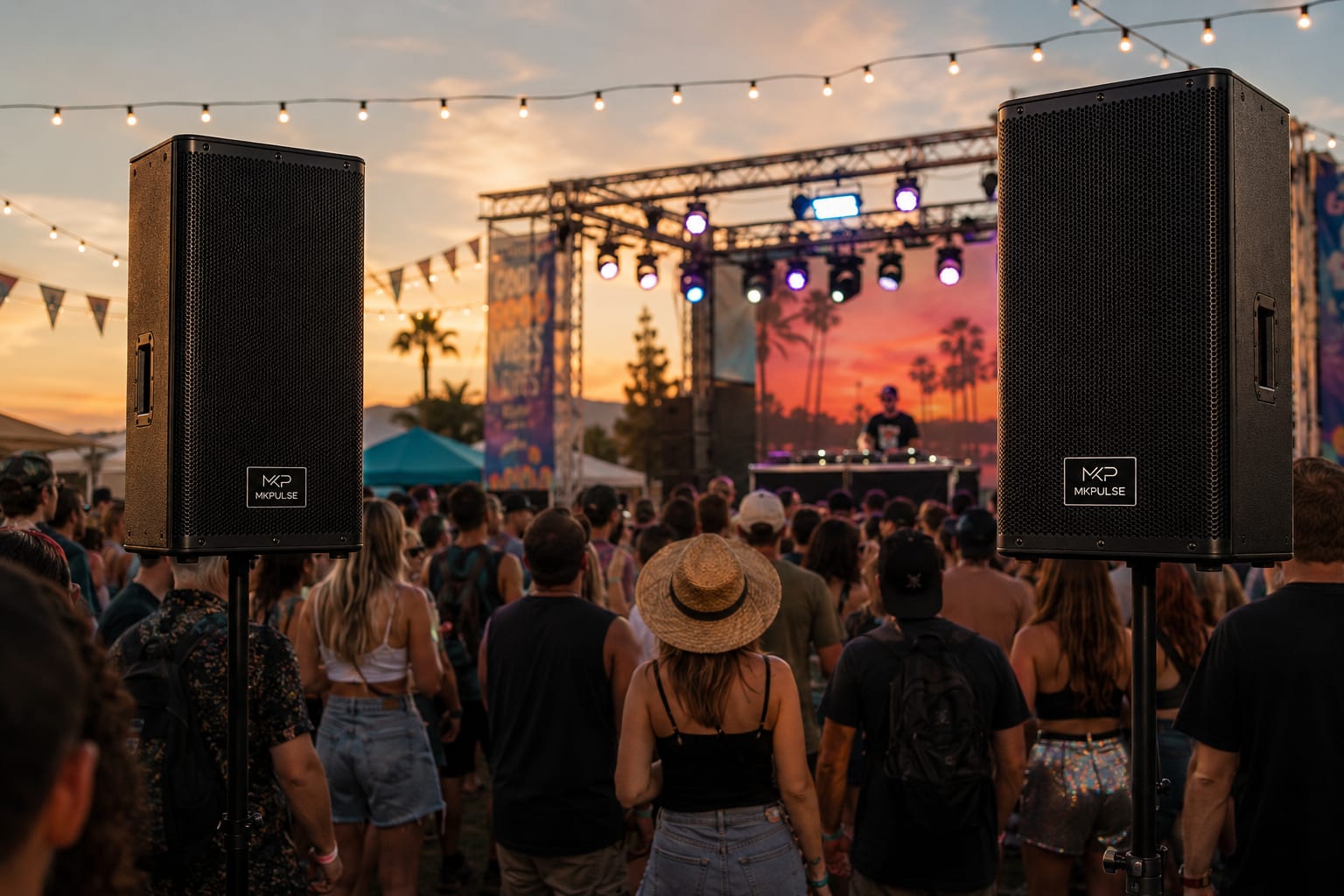
Signals you have outgrown a backyard PA
Move up when any of these become normal:
- Guests at the back of the room still lean in to hear vocals or announcements.
- You are riding the limiter all night just to hold the floor.
- The set runs for hours at dance volume, not ninety minutes of playlist background.
- You need a reliable mic or line path into the same cabinet without a fragile adapter stack.
The S15 answers with continuous power and a cabinet sized for rooms, not coffee tables. For the buying logic behind wattage claims, read When the room needs the S15’s 400W RMS and RMS vs peak power explained.
Coverage beats brute volume
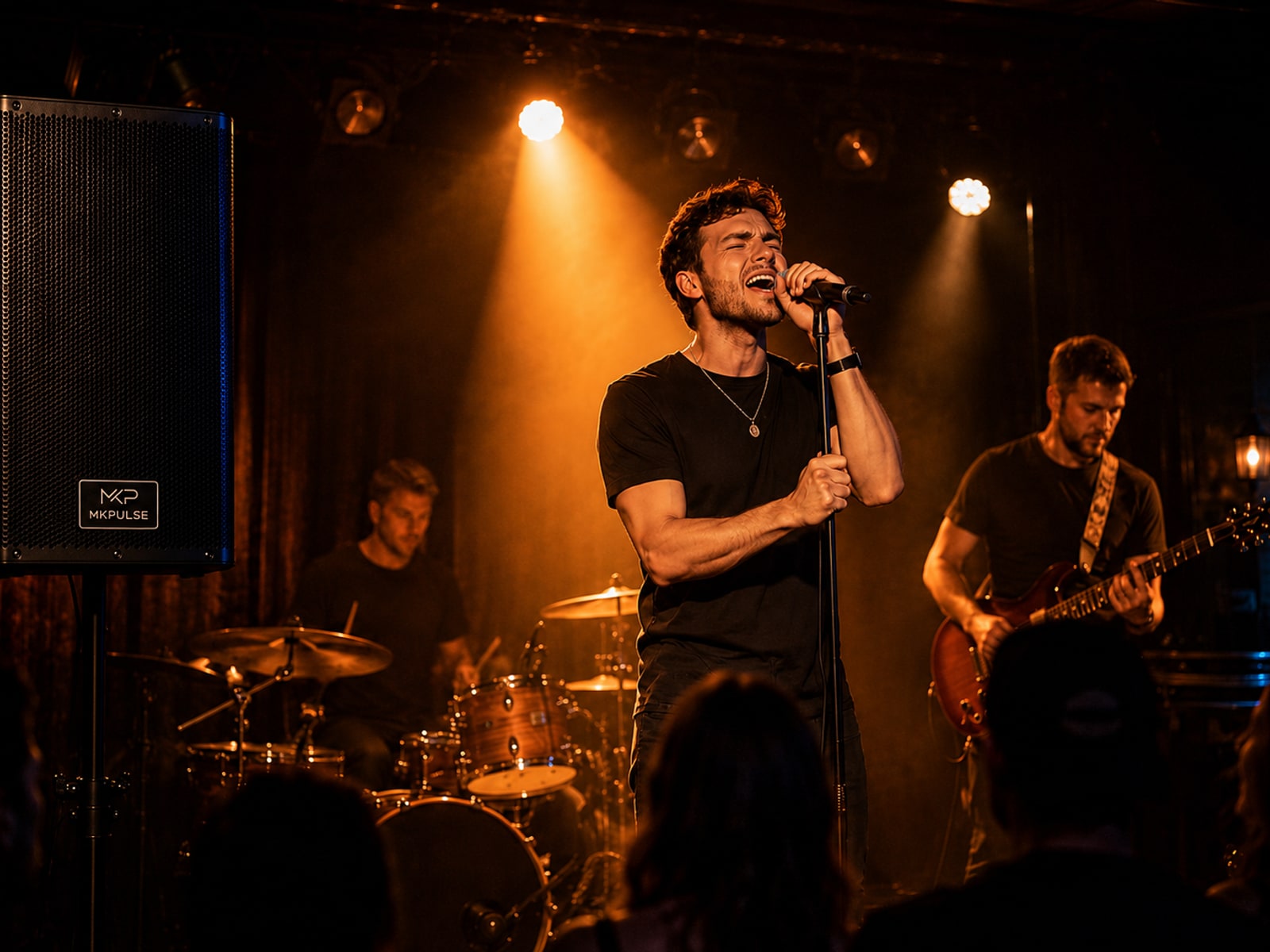
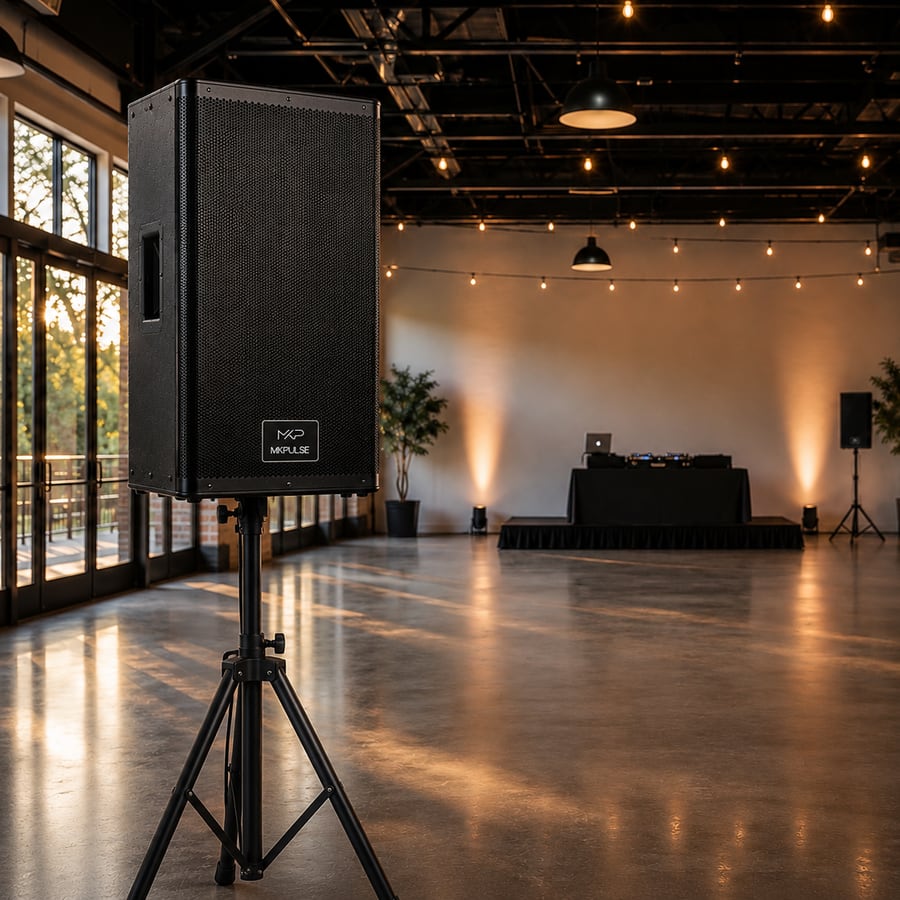
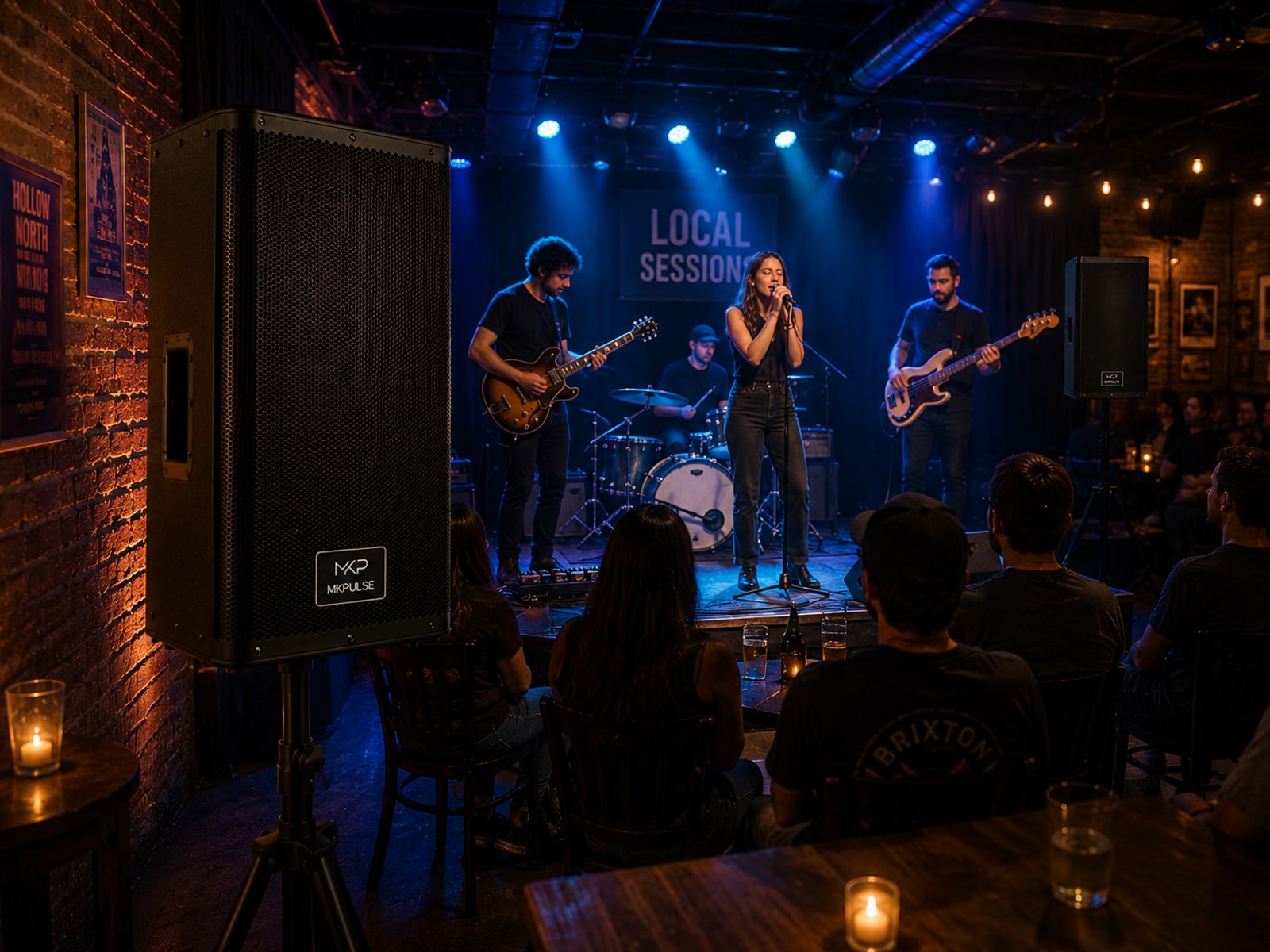
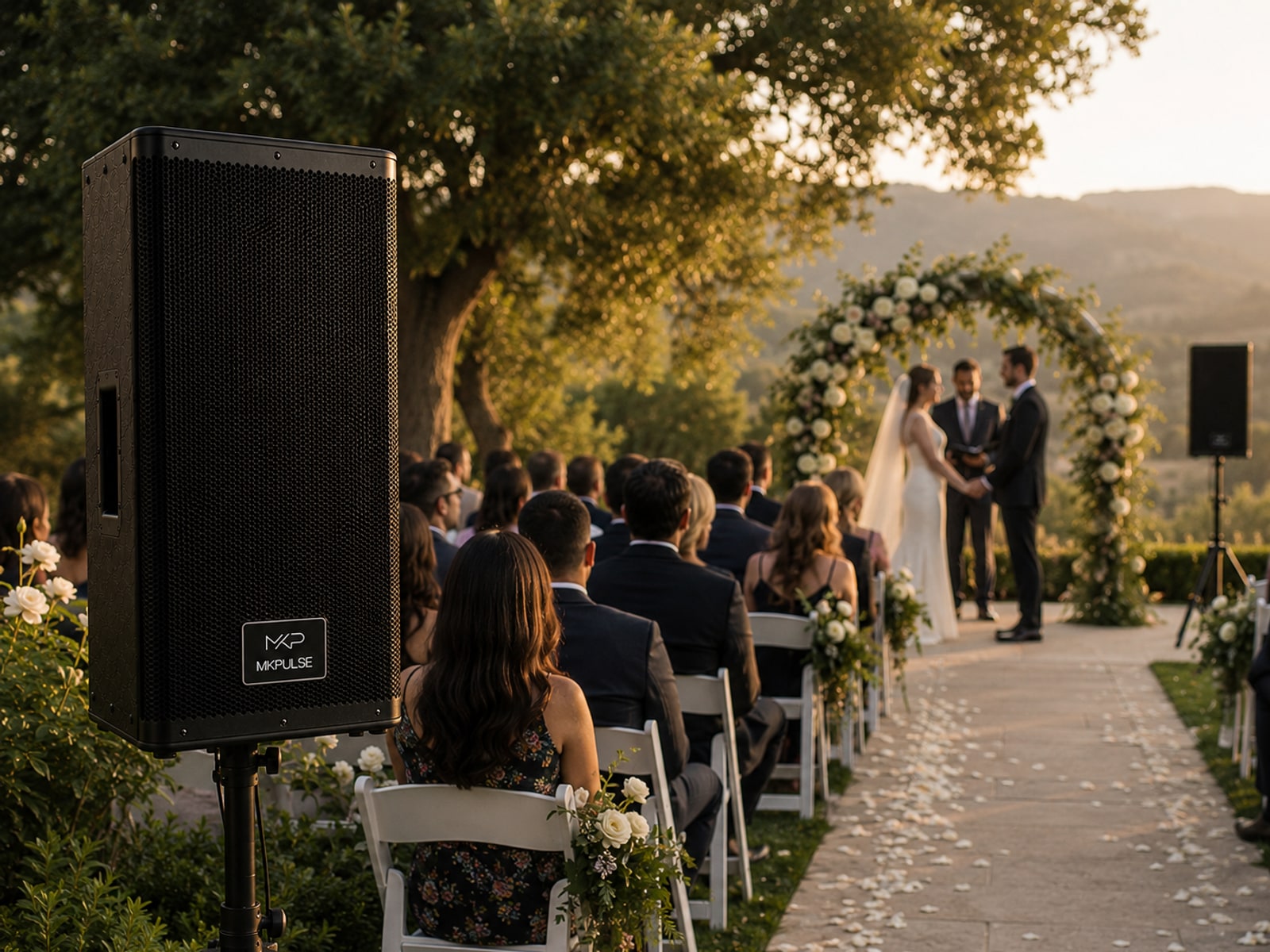
One loud speaker in the wrong place creates hot spots and dead zones. Two well-aimed cabinets usually beat one overdriven cabinet. Practical coverage rules for the S15 class:
- Get the tweeter near standing ear height on a stand when the room allows.
- Angle across the floor so energy meets in the middle of the crowd.
- Keep cabinets away from the table where people are trying to talk through dinner.
- Walk the floor during soundcheck — front, back, edges, and the bar.
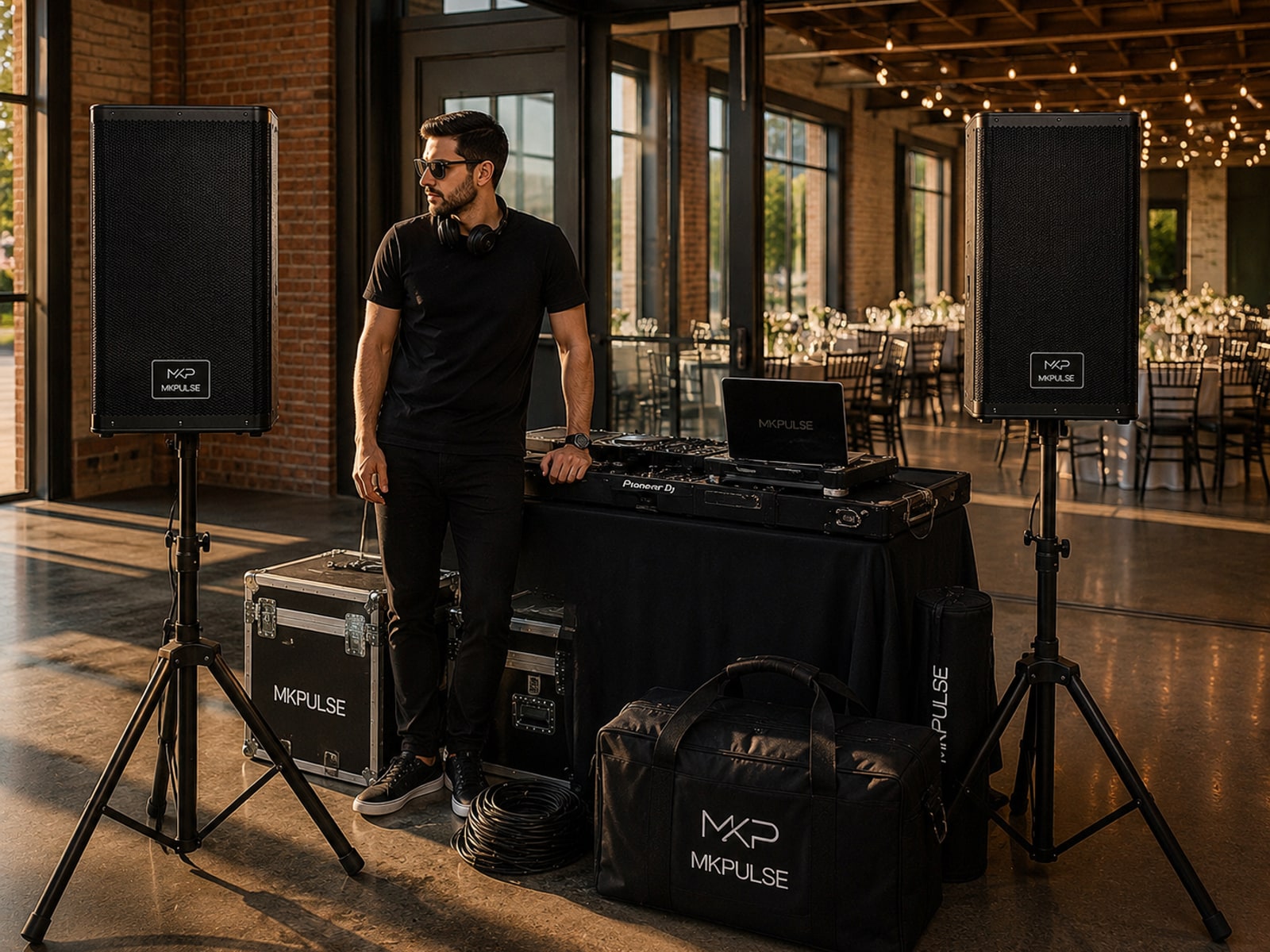
If you only listen from behind the decks, you are mixing for yourself, not the room. A five-minute walk-through saves an hour of complaints later. Mobile DJ setup detail also lives in Best speakers for DJs: powered PA setup guide.
Inputs: what the dual combo jacks are for
The S15’s dual XLR/¼-inch combo inputs accept microphones and line-level sources you supply. That is an important distinction: these are connection points, not a claim that microphones ship in the carton. Many venue nights run a mixer or controller into one input and a backup source into the other. Keep gain staging simple:
- Set the source (mixer/controller) to a healthy nominal level — not slammed.
- Bring the S15 input up until the room is comfortably loud.
- Leave headroom for peaks. Constant limiting is a warning, not a style.
- EQ by cutting mud first; boost only what the room still needs.
For panel and DSP detail, see S15 DSP modes and dual combo inputs, explained.
DSP modes without the myth
DSP presets are starting points for real rooms, not magic:
- Music — playlists and DJ playback
- Vocal — singers and hosts
- Speech — announcements and ceremony talk
- Flat — a clean baseline when you want to tune by ear
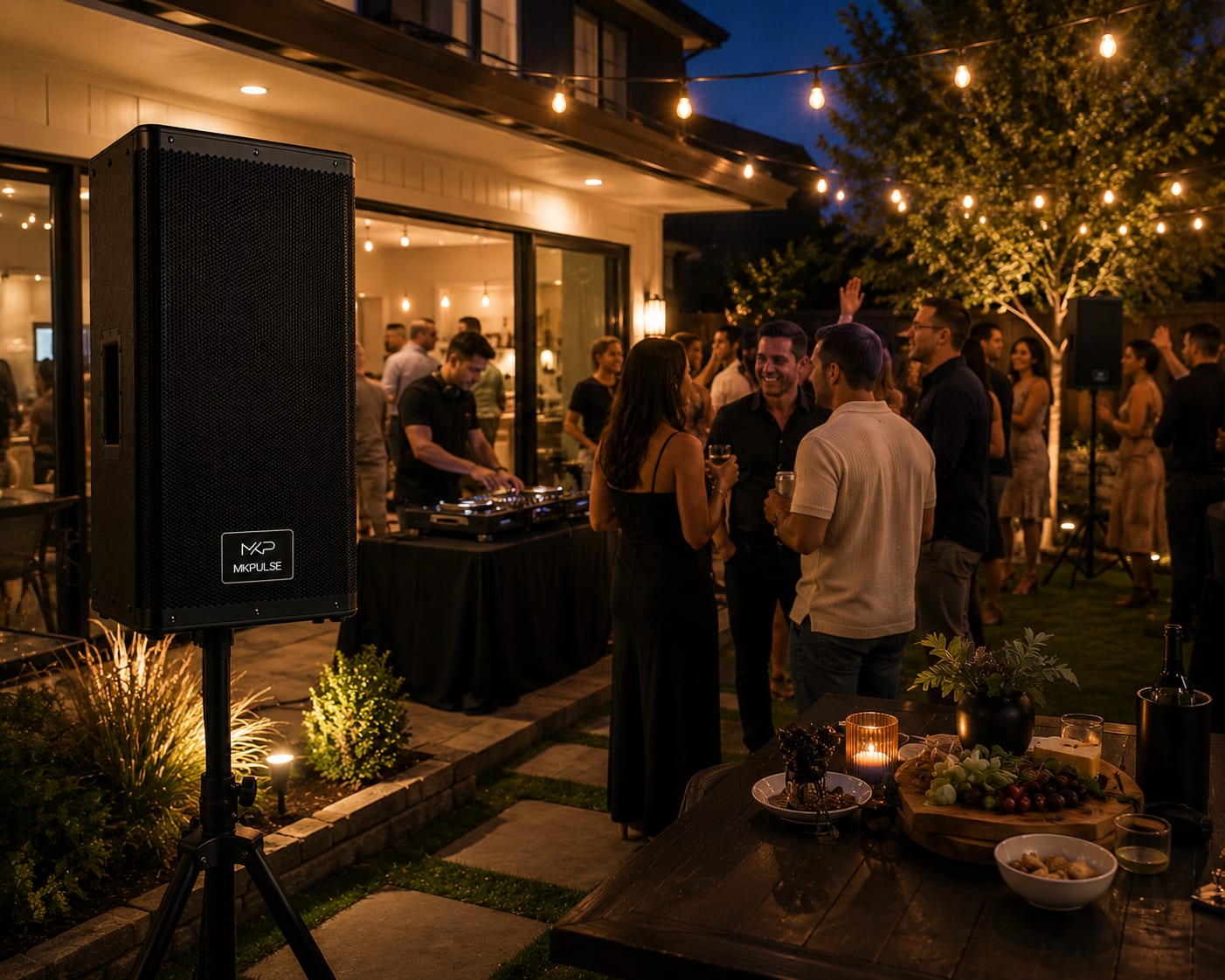
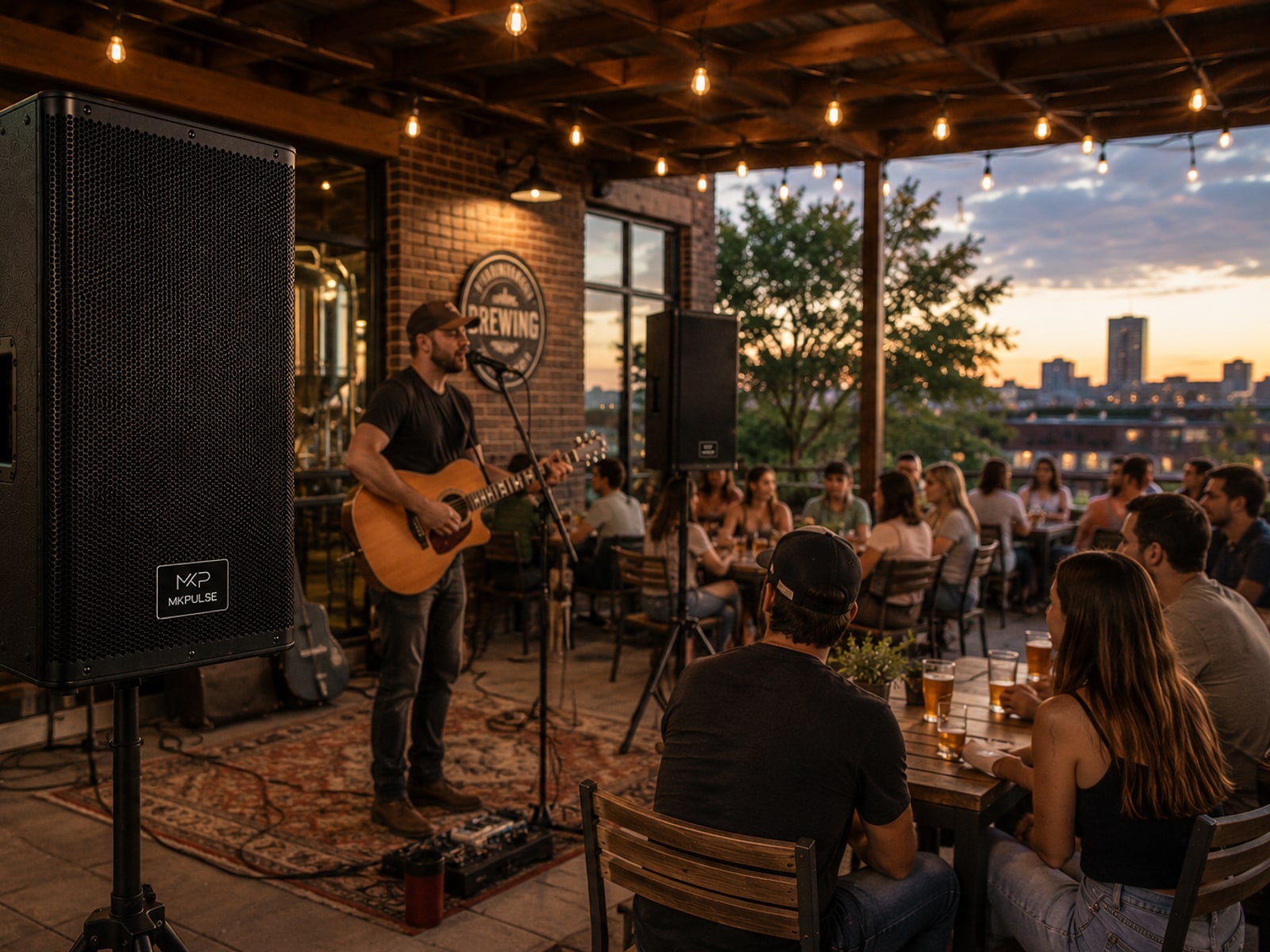
Switch with intention when the job changes — dinner playlist to first dance, announcements to open format — rather than leaving one “loud” setting for everything. The LCD helps you confirm mode and status at a glance when the room lights are down.
Venue-night checklist
- Before you leave — confirm stands, cables, and a known reference track on the USB/phone/controller you will actually use.
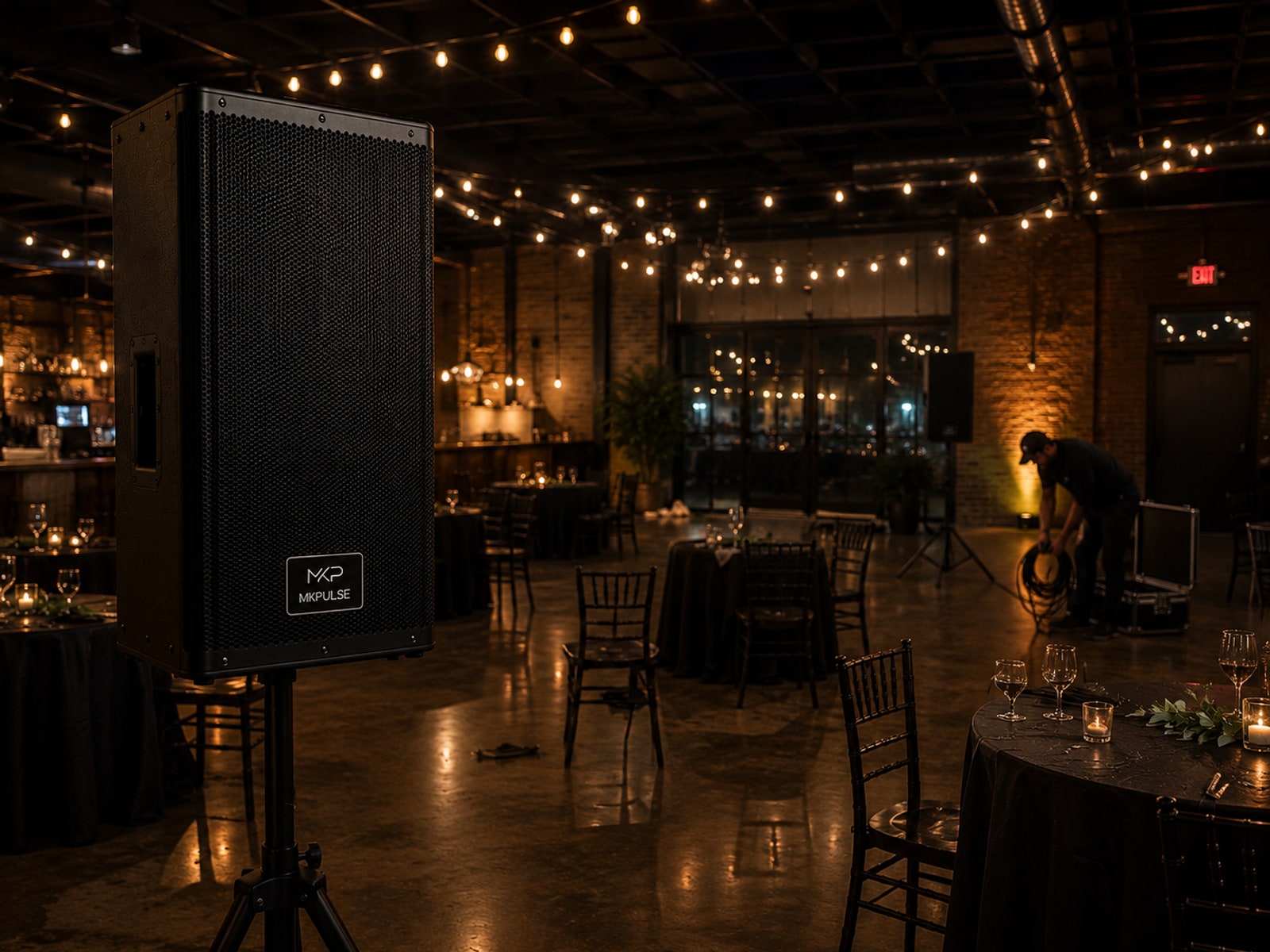
- Load-in — place cabinets, dress cables so nobody trips, power on at low level.
- Line check — music path first, then any mic path, then a full-floor walk.
- Doors — open at dinner-friendly level; save the lift for the floor.
- Strike — power down, coil cables, protect the cabinet for the next night.
Reuse the tighter version in Venue-night checklist for the S15 and the general event flow in How to set up a PA speaker for events.
Where S15 sits in the MKPULSE range
Choose the P10 when battery mobility and an included wireless mic matter most. Choose the S15 when the room and runtime demand continuous powered output. Choose the VIBE 6 when the job is party energy, RGB presence, and flexible playback in a more compact Bluetooth format. The point of publishing honest RMS figures — and never pretending peak equals continuous — is so that choice stays clear. That standard is part of Our Story.
Powered PA realities: outlets, stands, and cable discipline
Unlike a battery portable, a powered venue cabinet assumes you can reach power. Scout outlets during the walkthrough, bring enough AC cable length to place speakers where coverage wants them rather than where the wall happens to be, and tape down runs before doors. Stands are not optional cosmetics in most rooms — they are how the high end clears the crowd. If the venue forbids stands, raise the cabinet however you legally can and accept that floor placement will need more careful aiming.
Cable discipline separates calm nights from chaotic ones. Label ends, coil for the strike while the night is still calm, and keep a spare XLR in the kit. Bluetooth remains useful for background beds and break music; it is still the wrong primary path for a timed DJ set. That distinction is covered in Bluetooth vs wired PA connections.
Speech, dinner, and dance: three levels in one night
Many venue nights are really three systems wearing one cabinet’s clothes:
- Speech level — vows, welcome remarks, auction numbers, band count-ins. Intelligibility first.
- Dinner level — playlist bed that lets tables talk. If people raise their voices, you are already too loud.
- Dance level — sustained energy with headroom, not a clipped wall of sound.
Mark those transitions on a run sheet. The worst venue audio is usually not “not enough watts” — it is one setting left slammed through dinner, speeches, and dancing alike. The S15’s DSP modes help you pivot faster when the program changes, especially when you pair Music and Speech intentionally instead of leaving everything in one bright preset.
Feedback control without panic
Feedback is geometry plus gain. Keep open microphones in front of the speaker throw, roll off unused channels, and resist the urge to chase “more presence” with big high-mid boosts on a live mic. If howl starts, lower the mic channel before you start spinning EQ randomly. Talk-test from the real mic position during soundcheck, not from behind the booth with headphones on.
Remember again: the S15’s combo inputs accept microphones you supply. They are not a bundled wireless mic kit. If your night depends on a ready-to-pack wireless mic and bag, that workflow belongs to the P10. If your night depends on holding a dance floor for hours, you are correctly in S15 territory.
When two cabinets beat one
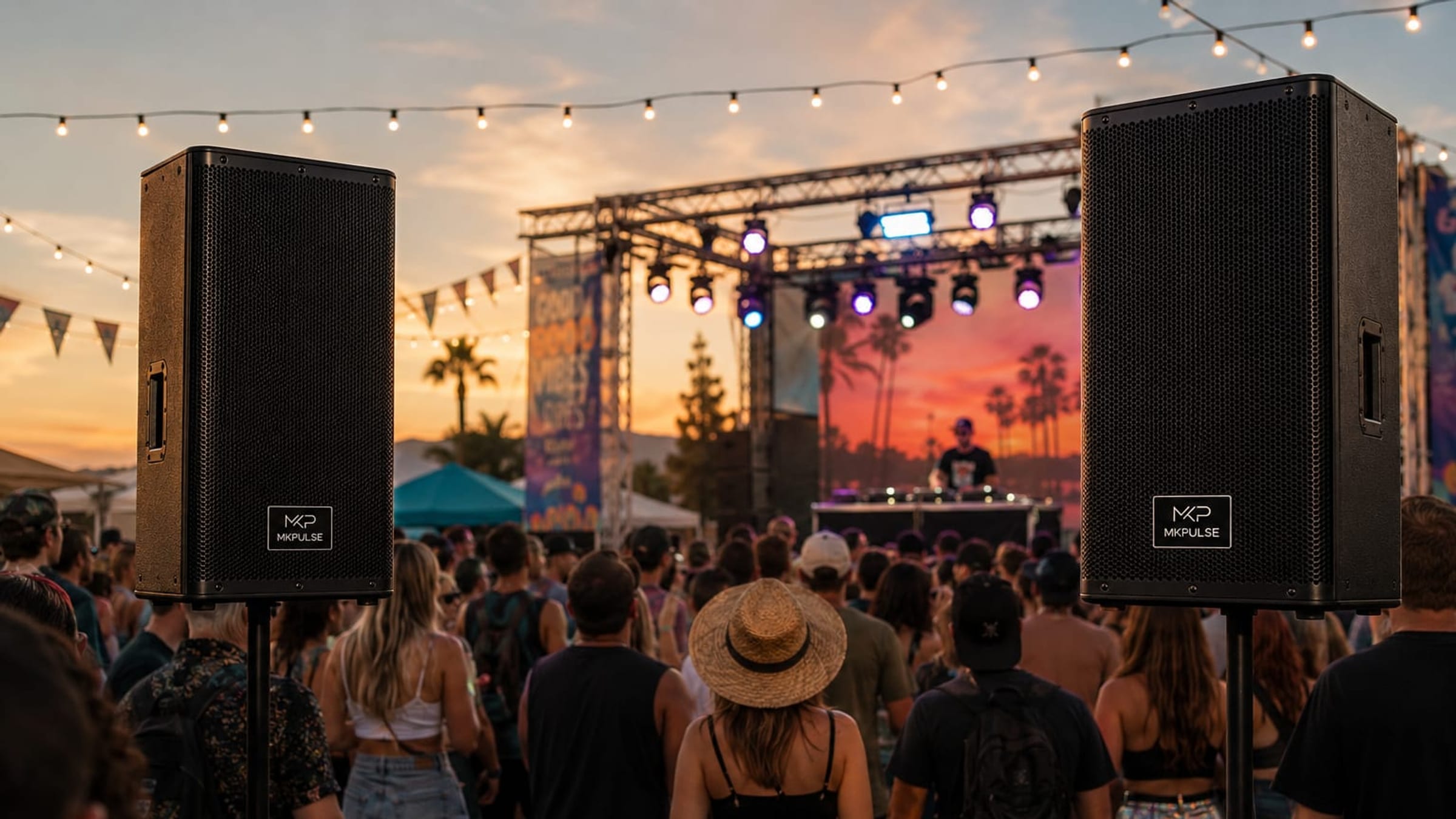
Stereo or dual-mono pairs improve coverage and reduce the “one hot spot” problem. Aim across the floor, match gain carefully, and avoid placing both cabinets in the same corner “for convenience.” Convenience is how dead zones are born. If budget only allows one S15 today, place it ruthlessly well and plan the second cabinet as the upgrade that unlocks wider rooms — not as an excuse to overdrive a single box.
Post-night notes that improve the next booking
- Write down where coverage failed and where it sang.
- Note any venue power quirks for the next contract.
- Check grille and corners before the cabinet goes back in the vehicle.
- Update your pack list if you borrowed a cable you should own.
Professionals improve between gigs. The S15 gives you the continuous power to do the job; the notes make the next job cleaner. Keep reading under the S15 and DJ Journal tags.
Explore the MKPULSE lineup
- MKPULSE P10 — 10-inch battery PA with wireless mic and carrying bag included.
- MKPULSE S15 — 15-inch powered PA with 400W RMS / 800W Peak for larger rooms.
- MKPULSE VIBE 6 — dual 6.5-inch Bluetooth party speaker with dynamic RGB.
- Compare all three models · Our Story · Journal