

When a room gets larger and the program gets longer, choosing enough continuous power becomes a practical decision.
Recognize the change in the room
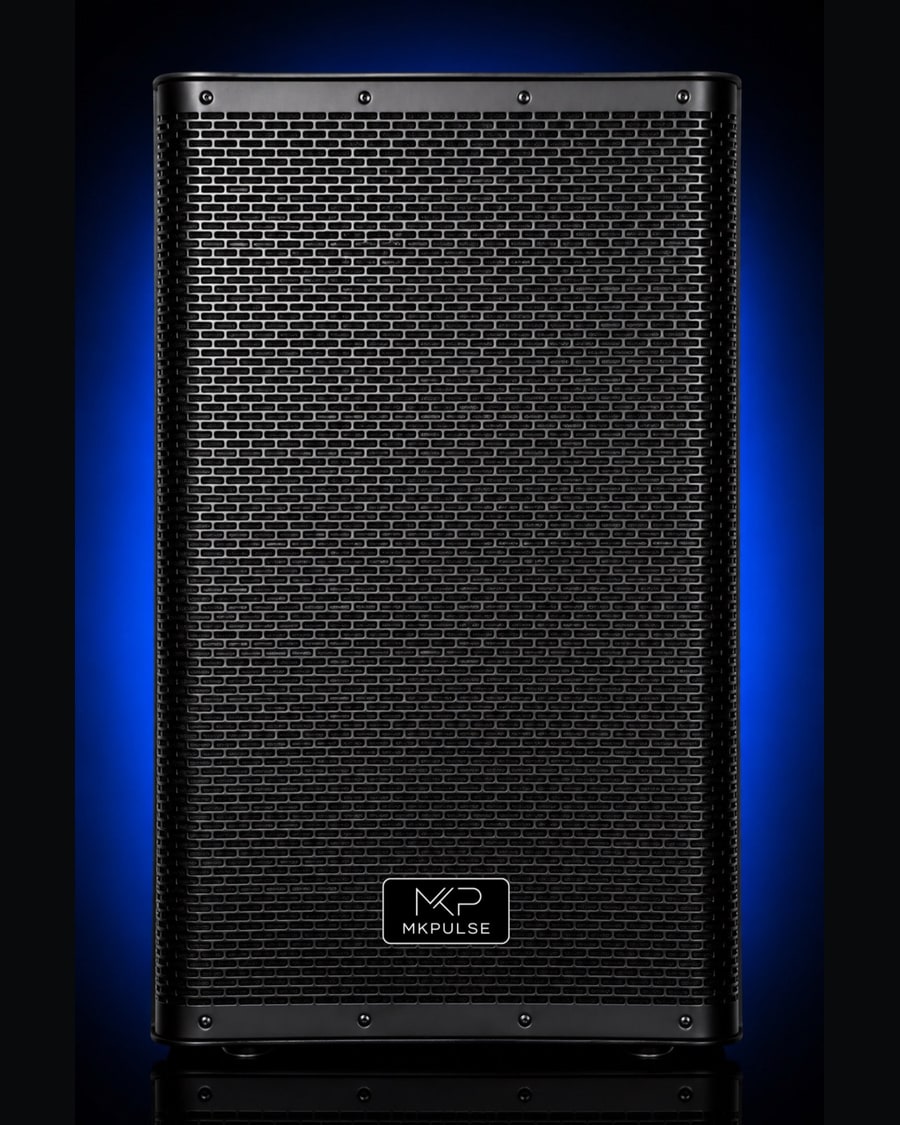
There is a point when a compact portable setup stops being the appropriate tool, not because it failed, but because the job changed. More guests, a larger floor, a longer program, and a higher expectation for continuous music all place different demands on a sound system. The MKPULSE S15 is a powered 15-inch 2-way active PA built for that next kind of room. Its 500W RMS rating and 118 dB max SPL specification are useful when you need sustained presence for a venue, DJ setup, or hosted event.
Think in coverage and headroom
A larger room does not only need more loudness. It needs coverage that remains clear when people arrive, start talking, and fill the space with bodies and movement. Starting with adequate headroom lets you operate at a controlled level instead of pushing a smaller system to its limit. The S15’s 15-inch 2-way active design is intended for those situations. Place it where it can project across the audience, then walk the room at working level. A controlled system usually sounds more confident than one struggling at maximum volume.
Use the 500W RMS figure correctly
The S15’s 500W RMS rating describes the continuous power capability that matters across a long set. It is not a promise that every room should be run at a dramatic level. A thoughtful operator still starts low, checks the source, and adjusts gradually. In a venue, the useful question is whether the system has enough reserve for the music and program without becoming strained. With 118 dB max SPL specified for the S15, you can plan for substantial output while still treating the room, audience comfort, and local expectations as part of the job.
A quick check before you continue
- Start at a moderate level and listen from the audience area.
- Change one setting at a time so you can hear what helped.
- Keep the setup focused on the people and the program.
Choose a useful input plan
The S15 provides dual XLR/6.35mm combo inputs, which is practical when the event needs more than one source. A DJ controller or mixer can occupy one input while a microphone uses the other, or a host can keep a mic ready without interrupting the primary program. Label or mentally assign each channel before guests arrive. Begin with source levels down, bring up the microphone for clear speech, then add music. This process helps you identify a source issue before it is masked by a louder signal.
Select a DSP starting point
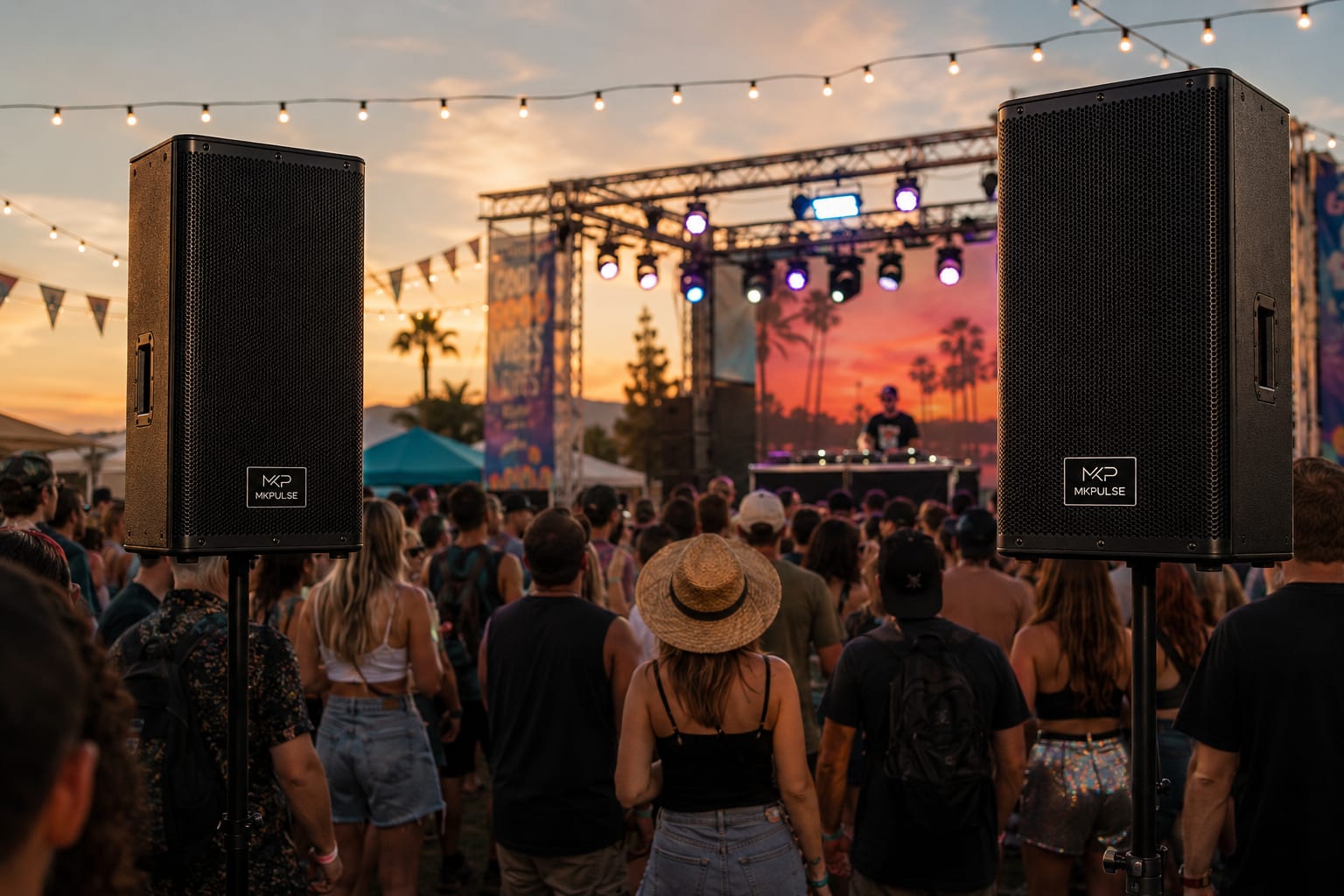
Music, Vocal, Speech, and Flat DSP modes let you begin according to the job. Music is a logical place for playback-driven DJ or event work. Vocal suits situations where a singer or host needs prominence. Speech focuses the starting point on intelligibility for announcements and presentations. Flat is useful when you need a clean baseline for an external mixer or processor. Choose one based on the primary purpose, listen from the audience area, and resist endless adjustments. Good placement and sensible gains still do the most important work.
Plan for the whole show
A venue night often begins before doors and continues after the final track. Plan power, stands, cable paths, source devices, and the sequence of the program. Keep cables away from walkways and avoid placing the speaker where a busy bar line or a door will block it. The S15 supports Bluetooth and TWS, which can be useful for appropriate setups, but a primary event source should be selected and tested before guests arrive. Stable connections and a repeatable workflow matter more than having every option active at once.

Know when the S15 is the right fit
Choose a powered 15-inch active PA when the event needs more than easy background sound: a busier venue, a DJ set, a large presentation area, or a room where music must remain clear over a crowd. The S15 is not a replacement for deliberate system design, and one speaker will not solve every wide or complex venue. It is, however, a practical single-speaker foundation when continuous power, 118 dB max SPL, flexible inputs, and DSP options match the assignment. Start with the room, then choose the equipment.
Finish with restraint
Having available output does not mean using it all night. Leave room for the program to build, for an announcement to cut through, and for guests to stay comfortable. Take a walk through the room during the first part of the event and listen where the audience is standing. If the system feels uneven, first consider aim, position, and source balance. The best venue sound feels intentional: music is present, speech is understandable, and the equipment supports the evening without demanding attention.
Use the room’s layout as evidence
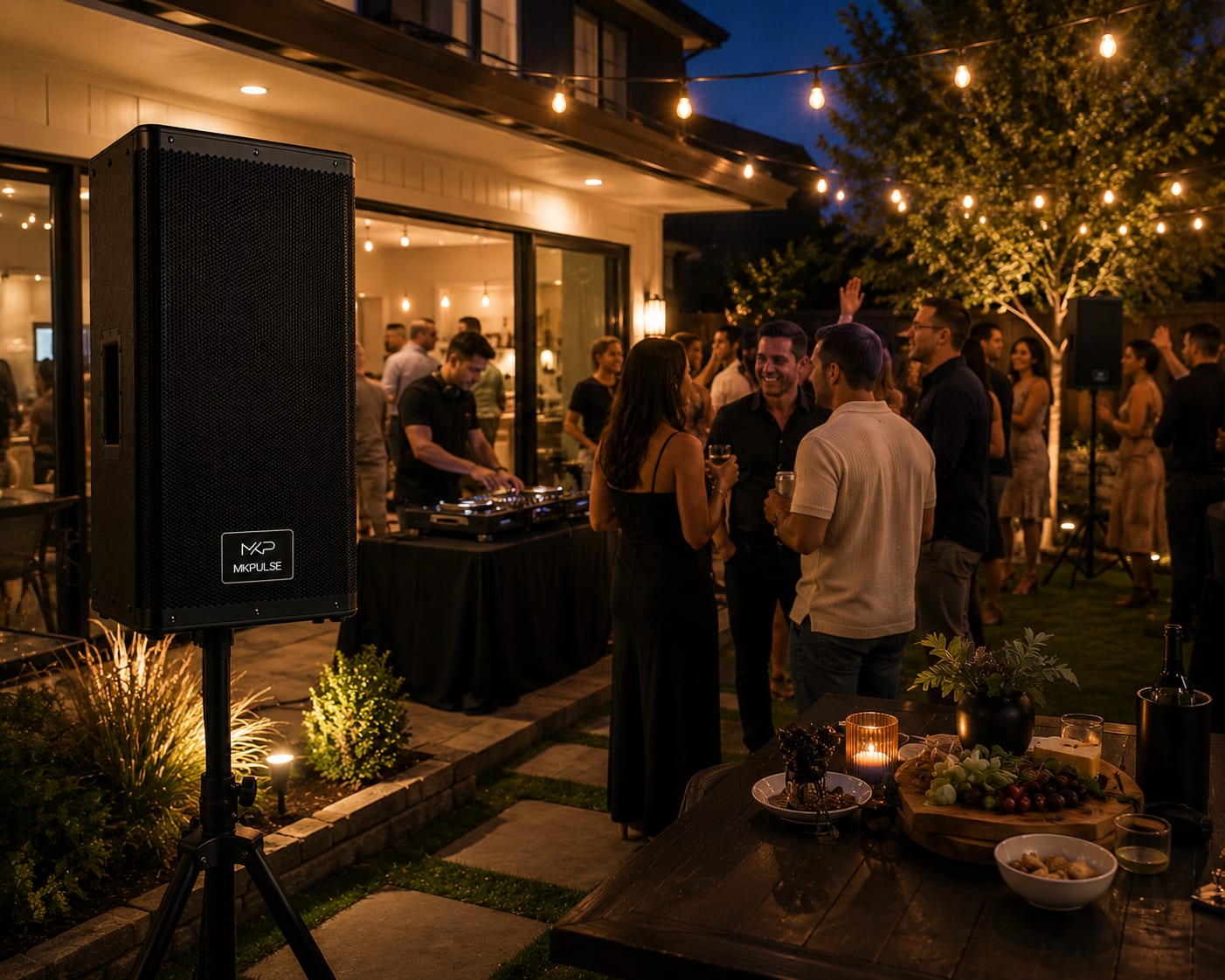
A room with a long dance floor, a separated bar area, or a dense standing crowd will reveal its needs faster than a product category will. Sketch the audience area mentally and identify where a single speaker can project effectively. The S15’s 500W RMS and 118 dB max SPL specifications provide the capacity for substantial venue work, but placement still determines whether that capability reaches listeners evenly. If the venue is unusually wide, consider whether a second speaker and TWS pairing will create a more consistent experience than simply increasing level from one location.
Reserve headroom for the program
An event is rarely the same volume from doors to closing. Conversation grows, a DJ set builds, a host needs to cut through, and a room can become less acoustically forgiving as it fills. Establish a strong but controlled reference level early, then leave room to respond. Starting at the maximum you think a system can manage eliminates options later. The S15 has the continuous power needed for demanding work; using it with restraint gives the music shape and keeps announcements from requiring a sudden, distracting jump in volume.
Separate capability from necessity
The S15 is not only for the loudest possible night. Its value can be a clean, confident presentation in a room that requires sustained sound across a long program. A practical operator still checks venue rules, respects guests near the speaker, and responds to how the room actually sounds. The 15-inch 2-way active design, dual combo inputs, and DSP modes are tools for organizing that work. Choose the S15 when those tools and its 500W RMS, 118 dB max SPL specifications match the scale of the assignment, not merely because a larger cabinet looks impressive.
Assess the program before the crowd arrives
The sound requirement is shaped by the program as much as the number of attendees. A quiet reception with background music may have different needs from a DJ set that builds over several hours, even if both use the same room. A presenter, singer, or controller may also require distinct input planning. The S15’s two XLR/6.35mm combo inputs let you prepare a straightforward music-and-mic workflow, while its Music, Vocal, Speech, and Flat DSP modes provide a sensible start for the program. Evaluate those practical needs beside the S15’s 500W RMS and 118 dB max SPL specifications when deciding whether it is the appropriate system.
Use a measured sound check
Begin the S15 check with all source levels conservative. Play a familiar track, then ask a host or performer to use the microphone at realistic volume. Walk the front, center, and back of the audience area before deciding the level is right. If the back needs more presence, inspect speaker height, aim, and obstructions before adding volume. A larger PA gives you useful headroom, but the strongest result comes from directing that capability properly. Once the room feels balanced, avoid chasing every small change in conversation noise. Hold a stable reference and make only deliberate adjustments as the event develops.
Plan the expansion path
For a broad room, one carefully positioned S15 may be a useful foundation, but a wider layout can benefit from two speakers working through TWS rather than a single location trying to do every job. Decide this from the room map, not after doors open. Place the speakers so listeners receive more even coverage and keep both aimed toward the audience, not at one another. Bluetooth and TWS offer flexible options when they suit the source plan, but a critical event should always be fully tested before guests arrive. The right expansion is the one that improves coverage while preserving a simple, dependable workflow.
Decide before load-in
Confirm the venue layout and sources before you arrive, then use the S15 as a planned system rather than a last-minute answer. The 15-inch active PA format, 500W RMS, 118 dB max SPL, dual combo inputs, DSP modes, Bluetooth, and TWS are most valuable when each capability has a specific job. This preparation produces controlled sound from the first guest through the final announcement.
Choose the next right step
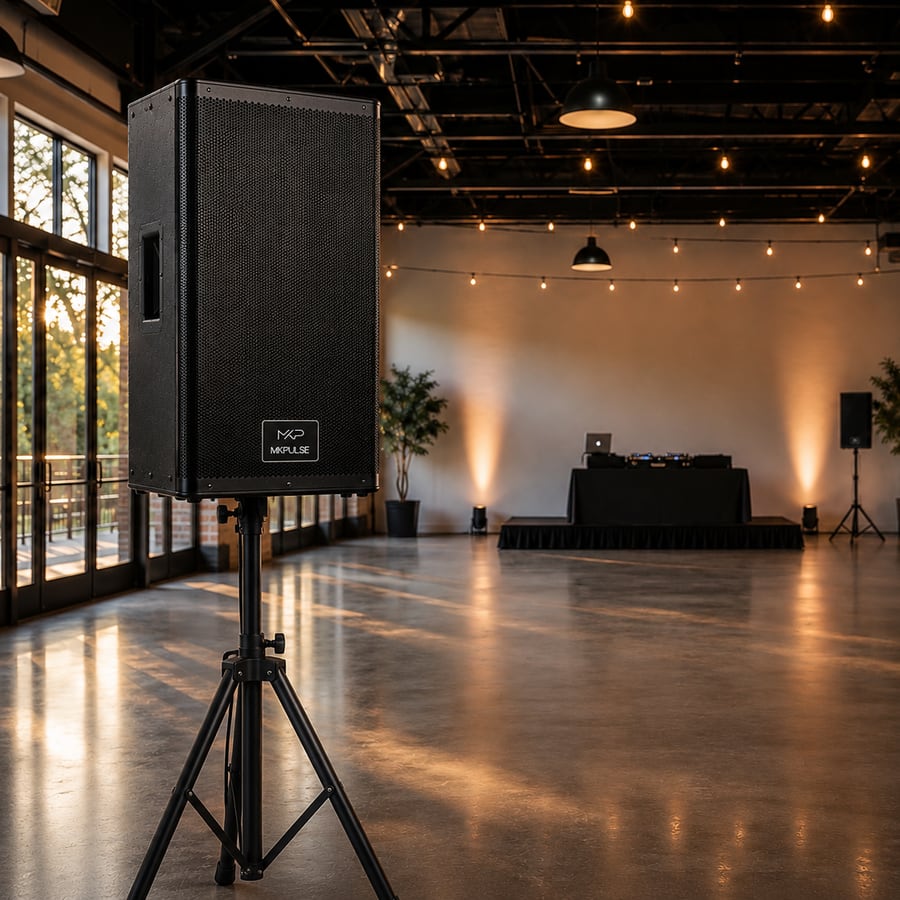
The best sound choice is the one that matches the job in front of you. Explore the MKPULSE S15 You can also compare MKPULSE speaker options or keep planning with the MKPULSE Journal.