

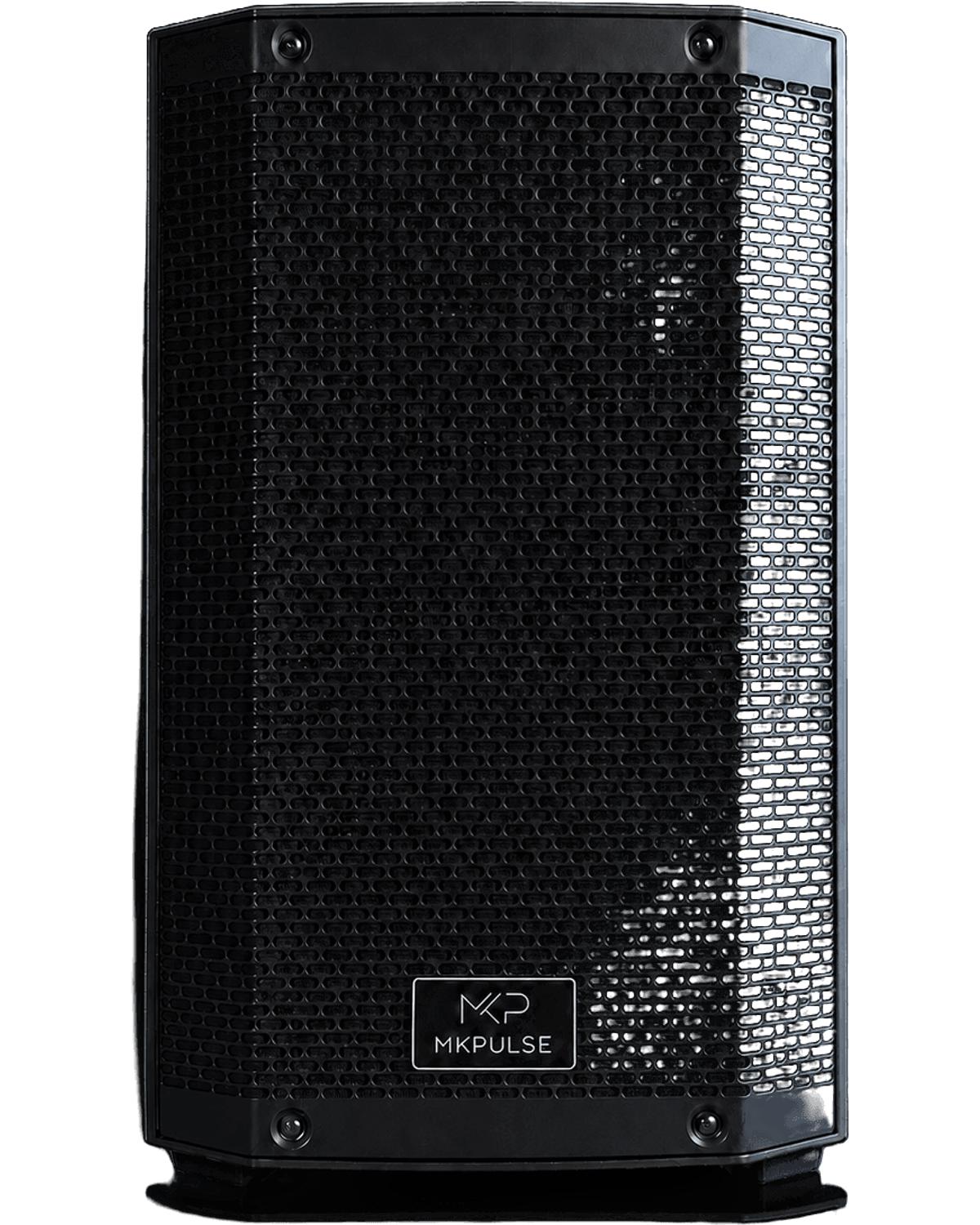
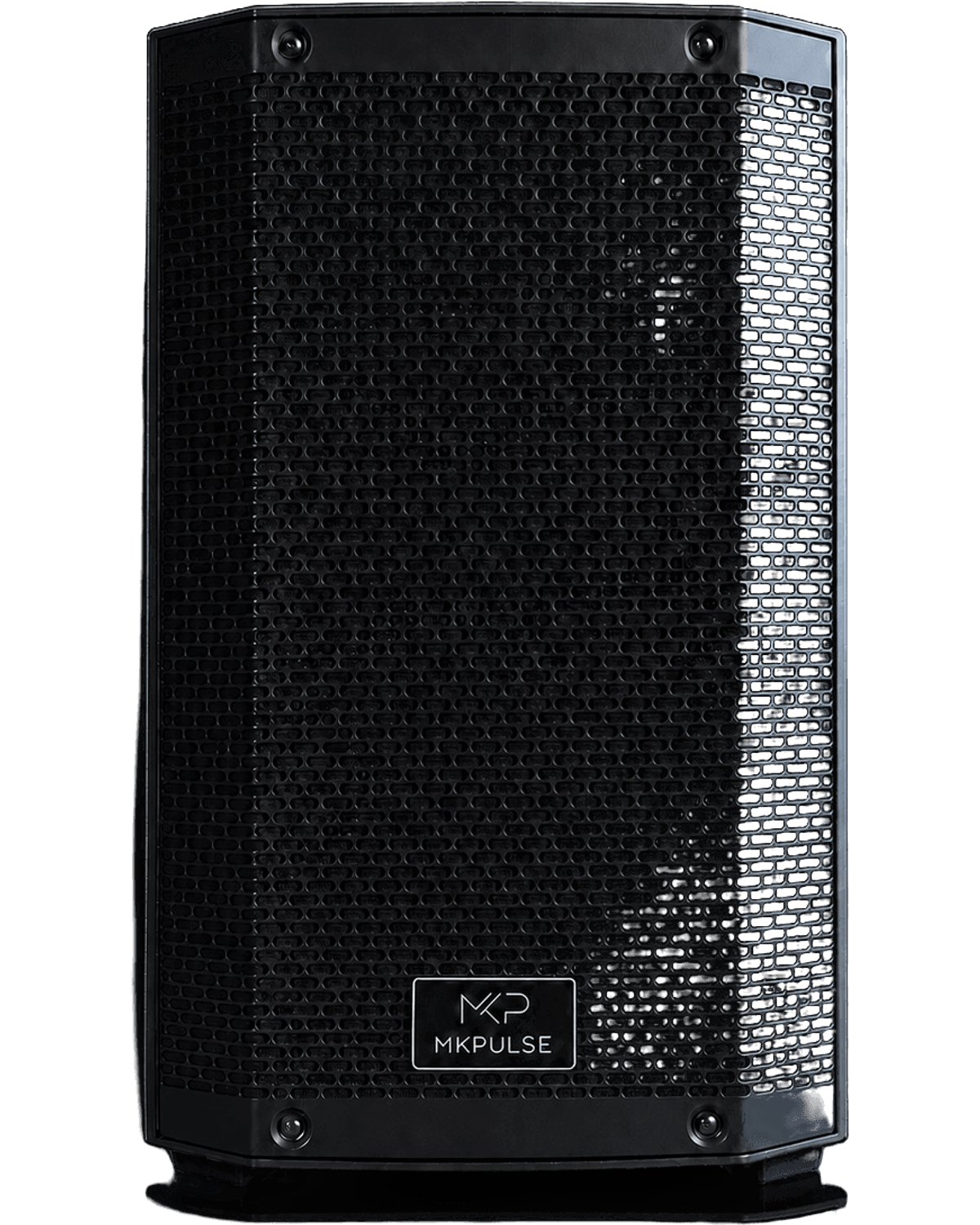
If you host events for a living — or you simply host often enough that sound keeps becoming the weak link — you already know the pattern. Guests arrive, the playlist starts thin, someone asks who has a microphone, and the night spends its first twenty minutes on logistics instead of atmosphere. The MKPULSE P10 exists for that exact gap: a 10-inch battery-powered PA with a wireless microphone and carrying bag included, built so one person can move from car to room and start the night without a second trip.
This guide walks through the full host and planner workflow — from choosing whether a portable PA is even the right tool, to placement, mic technique, outdoor nights, and the honest line where you should step up to a larger powered cabinet like the S15. For a side-by-side view of all three models, start on the Compare page.
Who the P10 is actually for
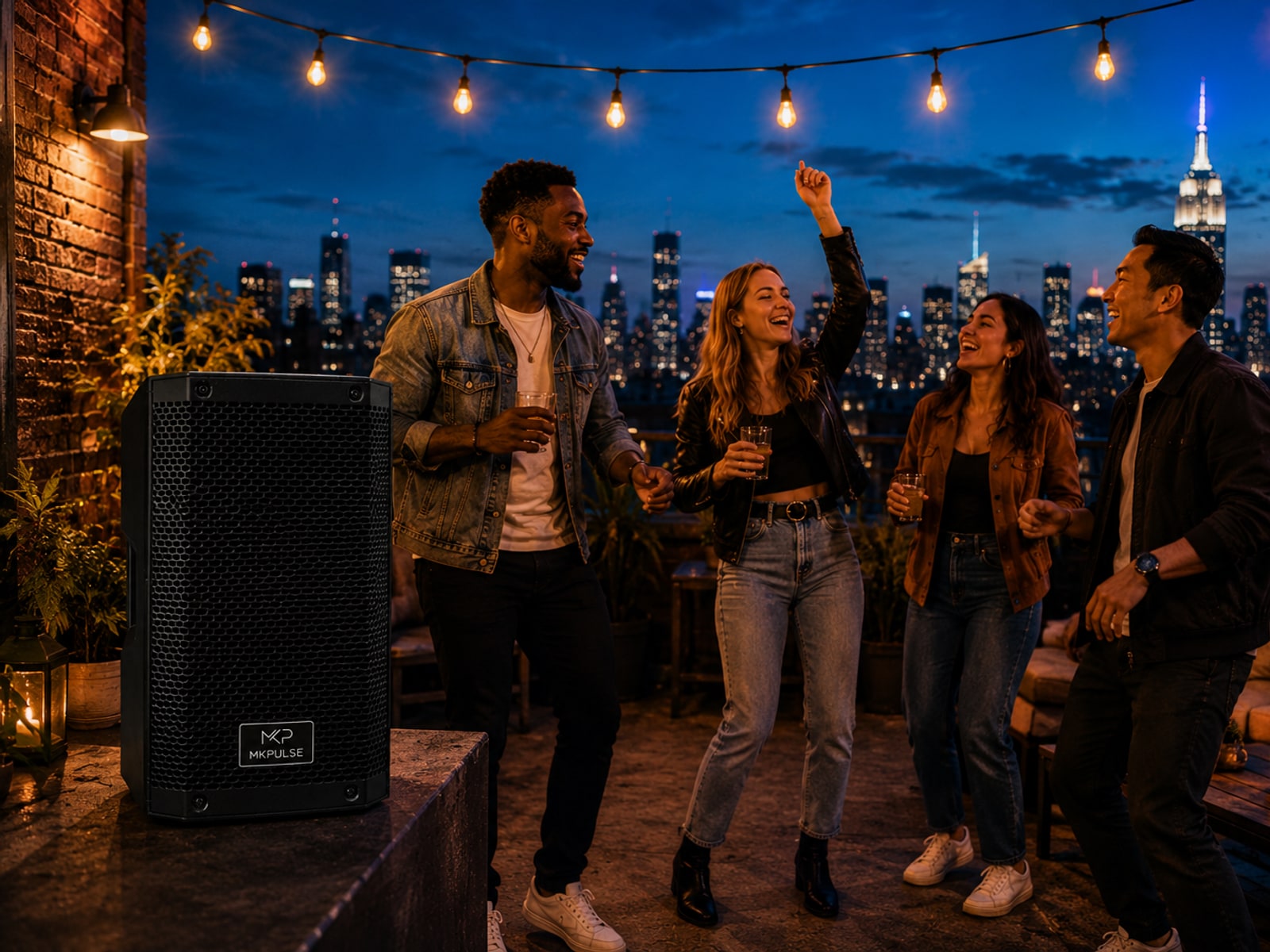
The P10 is not trying to replace a festival stack. It is for the people who run rooms that move: backyard receptions, corporate patio mixers, fitness outdoors, worship overflow, karaoke at home, and the kind of pop-up that has to sound intentional without a dedicated audio tech. If your checklist usually includes “bring a mic,” “hope the outlet works,” and “fit everything in one car,” you are in P10 territory.
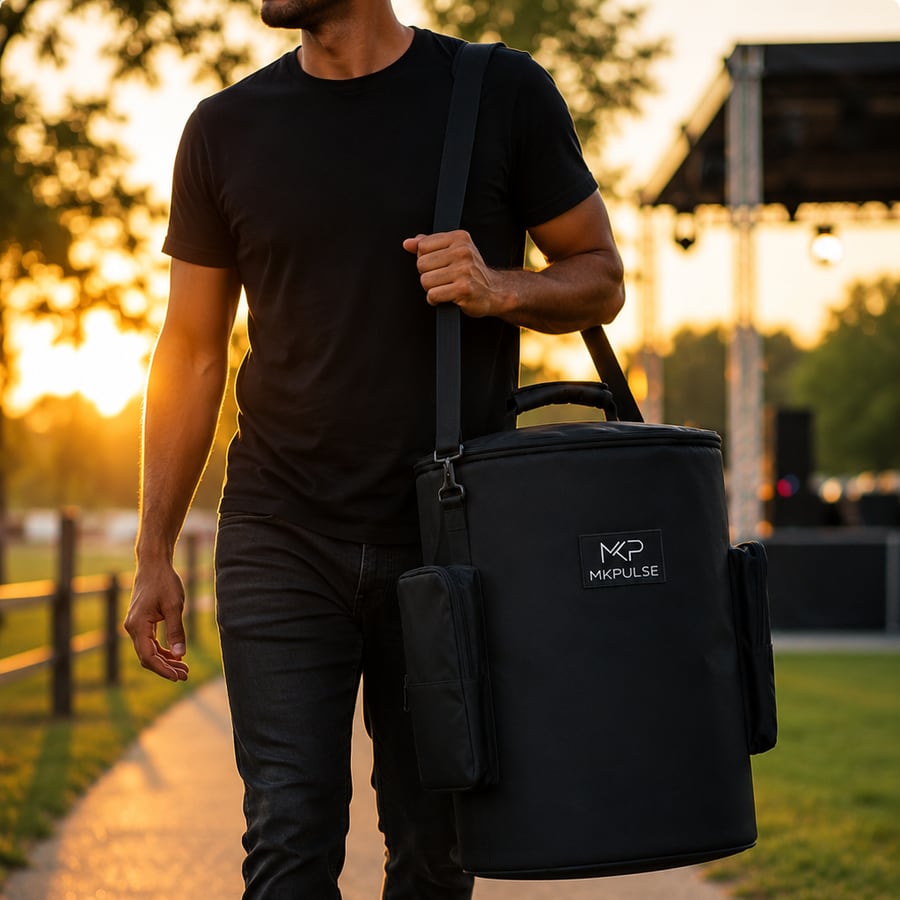
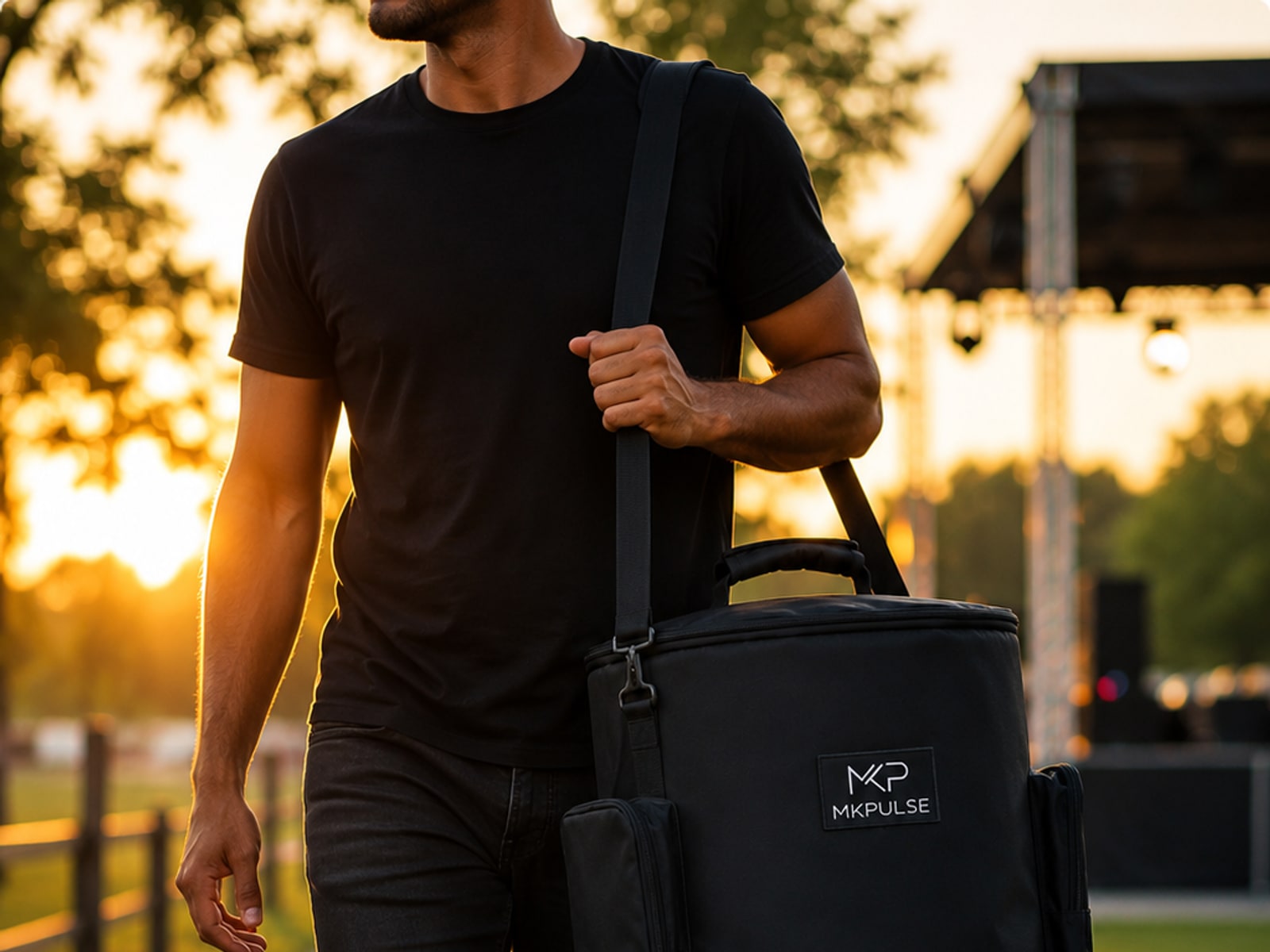
That is also why the included kit matters. Many portable speakers sell the cabinet and leave the microphone and bag as separate line items. The P10 ships ready: wireless mic system and padded bag in the carton, so the first paid or hosted night is not also a shopping list. Read more about that readiness mindset in From backyard practice to booked weekends.

Placement before power
Most “this speaker is not loud enough” complaints are placement problems. Put a cabinet in a corner, aim it at a wall, or tuck it behind furniture, and you lose clarity before you ever touch the volume knob. Open the room instead:
- Place the P10 where the listening area opens — not buried beside a sofa or behind a buffet table.
- Raise it when you can. Even a sturdy stand or high table helps the high frequencies clear people’s heads.
- Angle across the crowd rather than firing straight into the nearest guests.
- Keep the microphone in front of the speaker’s throw path to reduce feedback risk.
Walk the space at talking volume before anyone arrives. If you cannot hear consonants at the back of the room, fix position first. Turning everything up only makes a bad position louder. For a faster first-night checklist, see Set up the P10 in under five minutes.
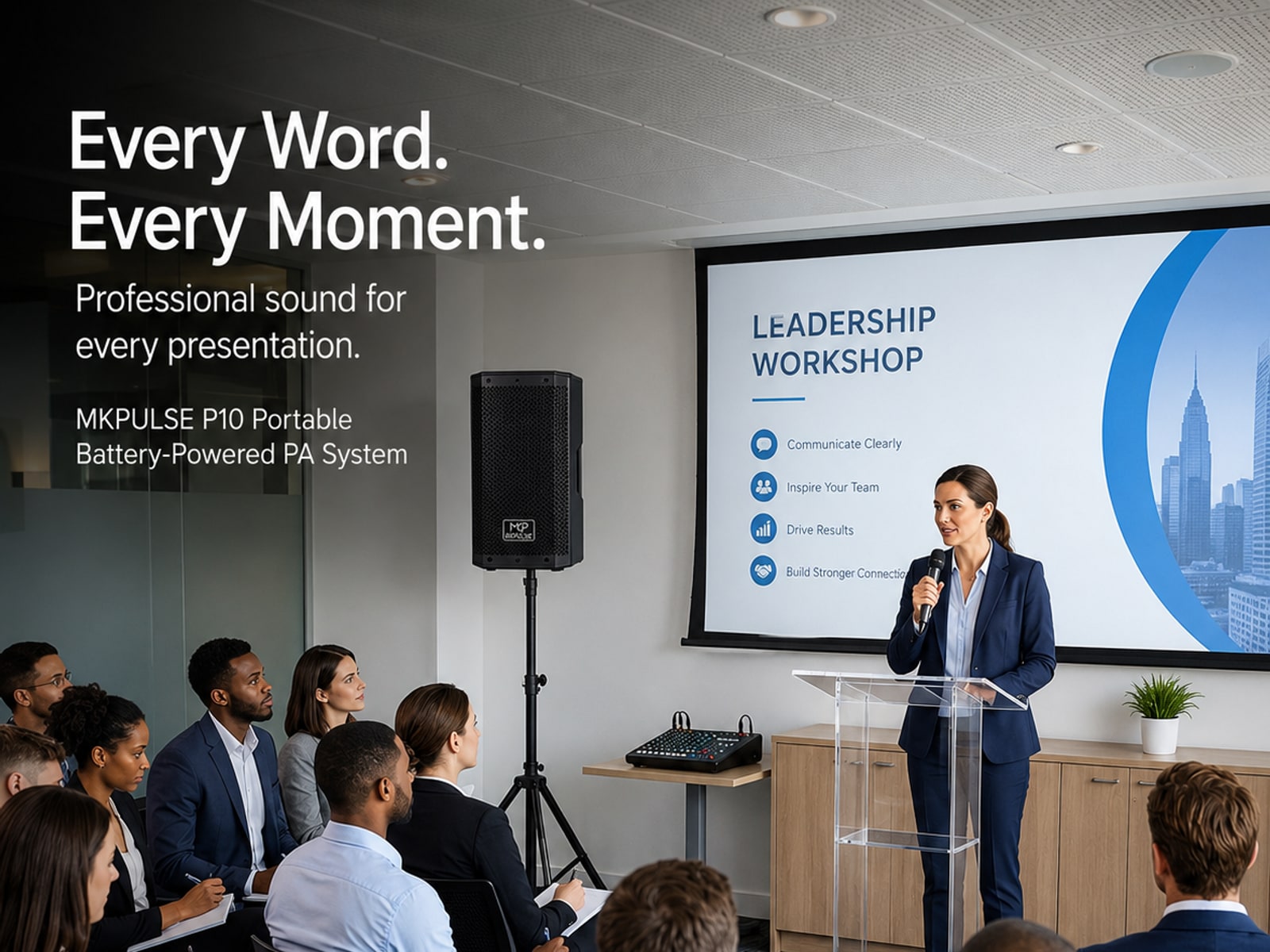
Wireless mic workflow that keeps speeches clear
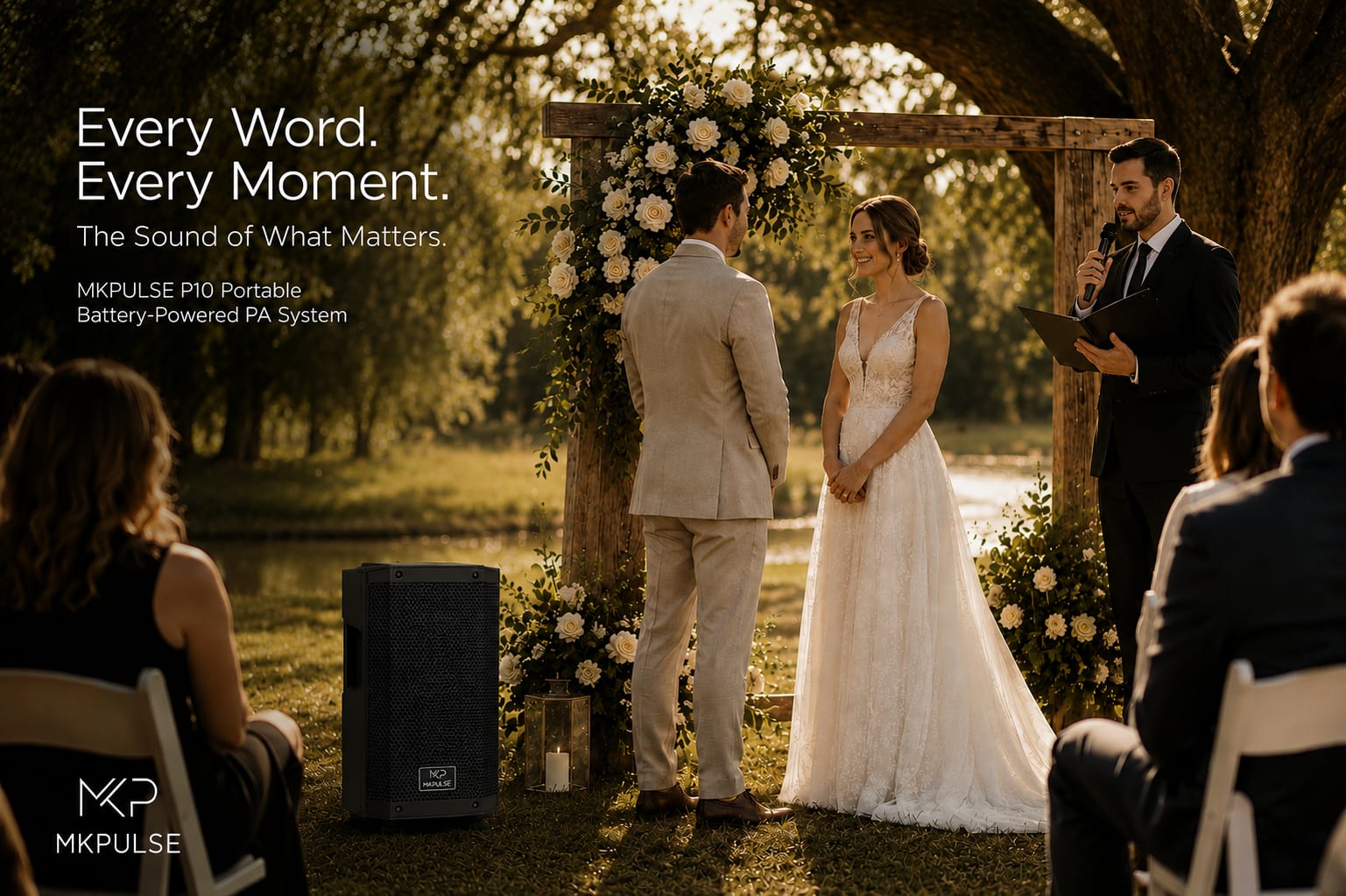
Hosts live and die by speech. Vows, toasts, announcements, instructor cues — if the voice is muddy, the night feels unfinished no matter how good the playlist is. With the P10’s included wireless mic:
- Power the speaker on at low master volume.
- Pair and talk-test the mic from the exact spot the speaker will stand.
- Set a speech-friendly EQ / DSP approach before you add music.
- Raise music underneath the voice, never over it.
Distance is the enemy of clarity. A mic held close beats a mic waved at arm’s length every time. Outdoors, wind across the capsule can ruin a toast faster than low battery — test on site, not only in the living room. Wedding planners can also use the ceremony-focused checklist in Wedding PA speaker setup.

Outdoor nights: plan for missing walls
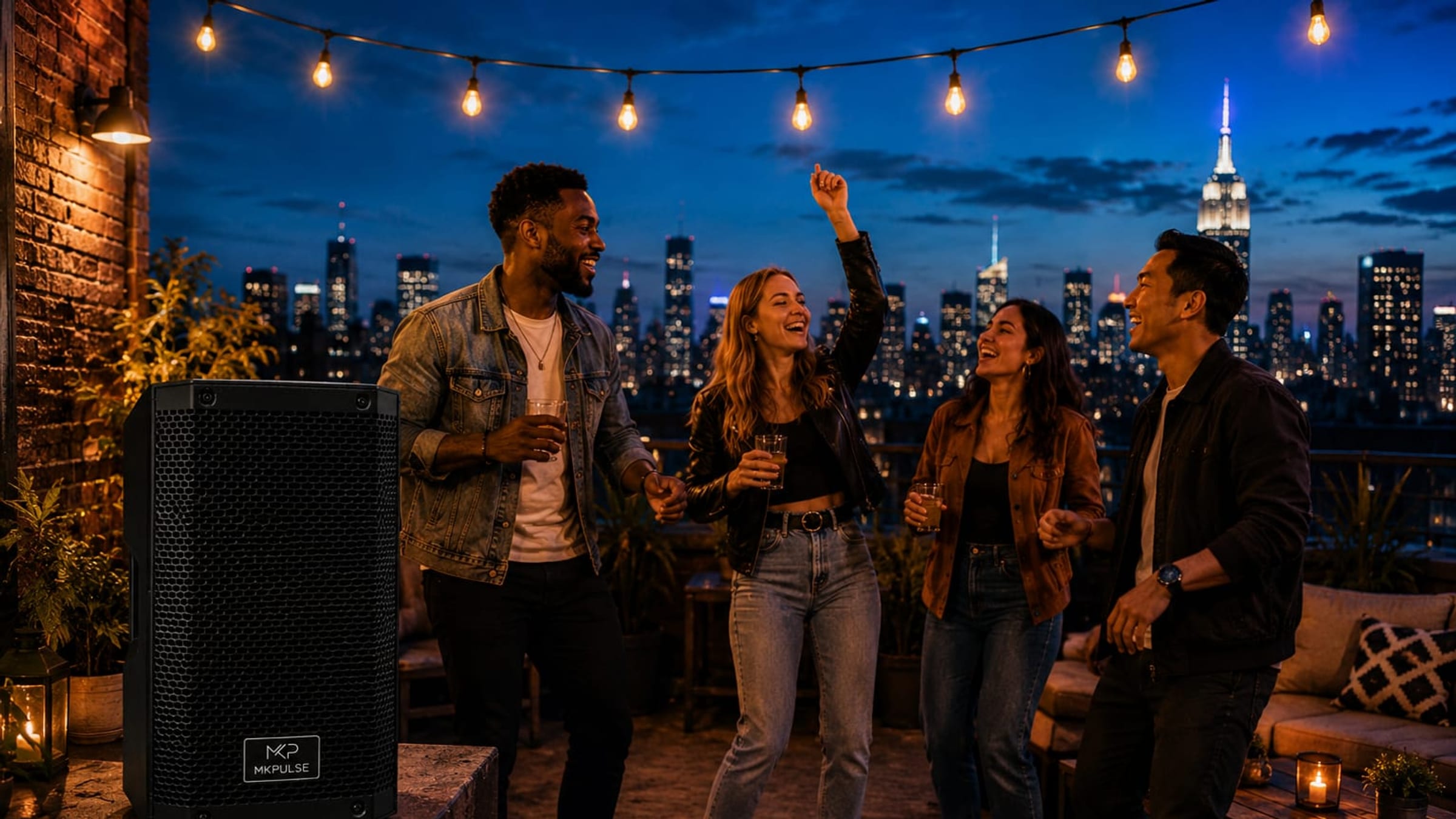
Indoors, walls bounce energy back into the room. Outdoors, that free reinforcement disappears. Budget more headroom than the guest count suggests, get the speaker closer to listeners instead of blasting from far away, and charge fully the night before. Patio and backyard planning notes also live in Outdoor party speakers: patio and backyard sound.
If the event grows into a dance floor that has to stay loud for hours, be honest about the tool. Continuous high-output venue work is where the S15’s 400W RMS powered design belongs. The P10 is the mobile, mic-ready host system — not a substitute for a full dance PA.
Bluetooth, playlists, and keeping the room even
Bluetooth 6.0 with TWS pairing is for convenience — playlists, background music, and quick wireless playback. For critical speech cues, keep the wireless mic primary. For DJ-critical timing, prefer a wired path into a larger powered system when the job outgrows portable battery PA. If you are still comparing wattage claims across brands, read RMS vs peak: the watt number that matters and the broader guide How many watts do you need for a PA speaker?.
Onboard controls for master volume, music volume, bass, treble, and echo exist so you can shape the room without opening a laptop. Start flat-ish, cut mud before you boost sparkle, and leave headroom for the toast you forgot was coming.
A host’s run-of-show you can reuse
- Night before — full charge, mic check, bag packed with cable and spare batteries if you use them.
- Arrival — place first, power second, talk-test third, music last.
- Doors — background level that lets people talk; save the lift for later.
- Key moments — drop music under every speech; never fight the toast.
- Strike — power down, pack the mic into the bag, one trip back to the car.
That rhythm is the real product. Specs matter — 160W RMS, Bluetooth 6.0, two combo inputs — but the night succeeds when logistics disappear. If you want the brand story behind that approach, read Our Story and Why we publish honest RMS specs.
Inputs, sources, and what to plug in first
The P10 gives you two XLR/¼-inch combo inputs for microphones and line-level sources, plus Bluetooth 6.0 streaming with TWS stereo pairing when you grow into a second unit. Onboard controls cover master volume, music volume, bass, treble, and echo so you can shape the room without opening a laptop mid-toast. The practical order never changes: voice path first, music path second. If you reverse that order in a live room, you will spend the night fighting the playlist instead of hosting the people.
When you do use Bluetooth, treat it as convenience — ceremony prelude playlists, cocktail-hour beds, fitness warmups — not as the only critical path for timing-sensitive cues. If a phone drops connection at the wrong moment, a wired backup or the wireless mic keeps the program alive. That same discipline shows up in Bluetooth vs wired PA connections.
Room types hosts actually run
Backyard and patio. Prioritize battery readiness, wind-aware mic technique, and placement closer to listeners. Neighbor-aware volume is part of being a good host, not a soft compromise.
Corporate mixer. Speech clarity beats bass. Keep playlists under conversation, and make sure the welcome remarks and raffle announcements are intelligible at the back of the patio.
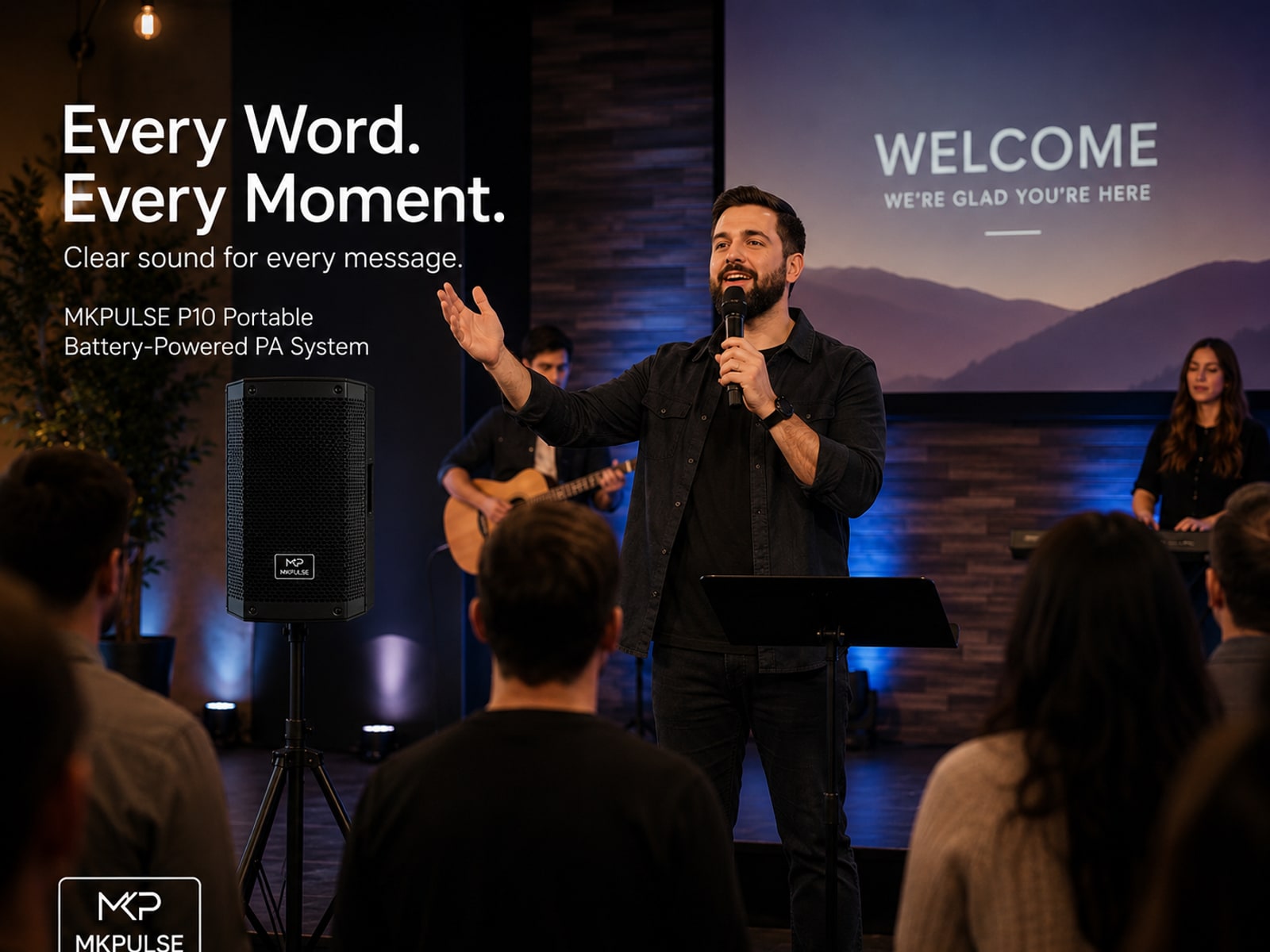
Worship overflow and community halls. Intelligibility is the product. A speech-oriented approach and a mic held close will outperform a loud music preset every time. See also Church and community hall PA systems.
Fitness and instruction outdoors. Instructors need cues that cut through without screaming. Place the P10 where the group faces, keep the mic consistent, and recharge between sessions rather than gambling on a second class.
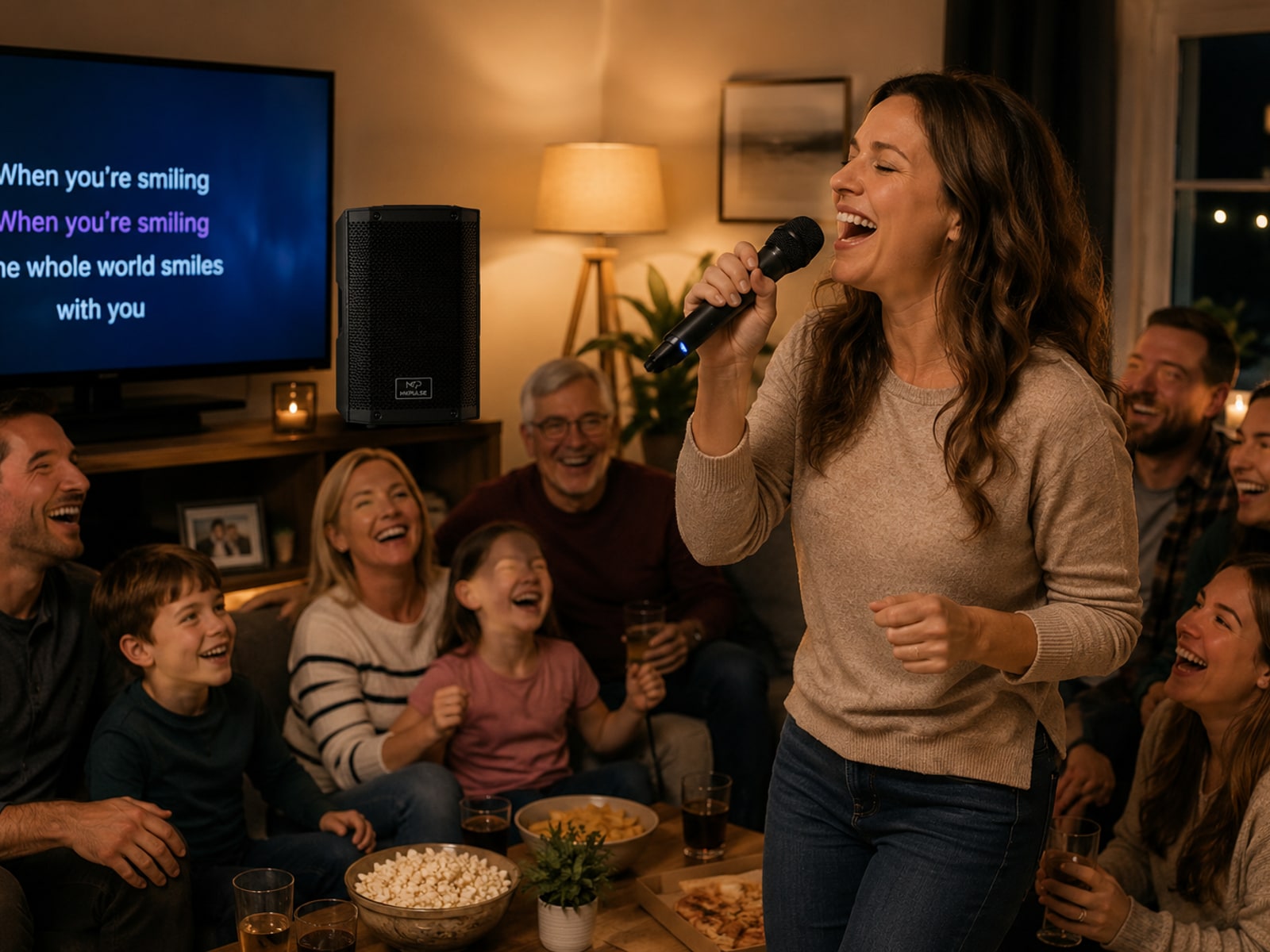
Home karaoke and living-room hosting. The included wireless mic turns a Bluetooth box into a real host system. Set a bed level for tracks, then ride the mic so verses stay clear.
Common mistakes that waste a good speaker
- Hiding the cabinet behind furniture “because it looks cleaner.”
- Running music hot before the first talk-test.
- Holding the mic at waist height and blaming the speaker for mud.
- Skipping a full charge the night before an outdoor ceremony.
- Expecting one portable battery PA to behave like a dual-stand dance system in a packed hall.
Avoid those five and the P10 usually sounds like what it is: an honest portable PA that shows up ready. When the job truly outgrows it, step to the S15 without apology — tools have lanes, and using the right one is part of sounding professional.
Pack list you can copy
- P10 in its carrying bag
- Included wireless microphone, confirmed paired the night before
- Power cable for recharge between events
- Phone or media source with the playlist downloaded, not only streamed
- Small gaffer tape for cable dress if you add any wired source
- Printed run-of-show with speech moments highlighted
That list is short on purpose. The point of the P10 category is fewer moving parts, not a road case full of adapters. Browse more host-minded reading in the P10 Journal tag and Setup guides.
Explore the MKPULSE lineup
- MKPULSE P10 — 10-inch battery PA with wireless mic and carrying bag included.
- MKPULSE S15 — 15-inch powered PA with 400W RMS / 800W Peak for larger rooms.
- MKPULSE VIBE 6 — dual 6.5-inch Bluetooth party speaker with dynamic RGB.
- Compare all three models · Our Story · Journal