

Operators searching for a restaurant sound system, a Bluetooth speaker for restaurant use, or a cafe speaker system are solving a hospitality problem, not a hi-fi hobby. Music should support conversation, pace the room, and stay consistent across lunch and late service. Guests notice when playlists distort, when staff shout over a harsh treble shelf, or when a patio goes silent because a consumer speaker died mid-shift. Trustworthy restaurant audio is quiet competence: reliable playback, sensible coverage, and controls any manager can run.
What makes restaurant audio different from party audio
A club wants impact. A dining room wants presence without pressure. The best speakers for restaurants keep vocals and midrange clear at moderate levels so tables can talk. Bass should feel warm, not muddy under chairs. Zoning matters: bar energy can sit higher than the dining floor. Patio coverage needs weather-aware placement and enough output to compete with street noise without blasting indoor guests through open doors.
Staff workflow matters as much as sound quality. If only one person understands the mixer, every shift becomes fragile. A practical restaurant Bluetooth speaker or compact PA should pair quickly, remember a source device, and offer a wired fallback when Wi-Fi or phones misbehave. Simple wins on a Saturday night.
Keywords hospitality buyers actually search
High-intent phrases include restaurant sound system, cafe sound system, Bluetooth speaker for restaurant, bar speaker system, outdoor patio speaker, and background music speaker for business. These buyers compare durability, ease of use, and whether the system can grow from a single dining room to a patio or private-event add-on. Spec sheets that only shout peak watts miss the hospitality brief.
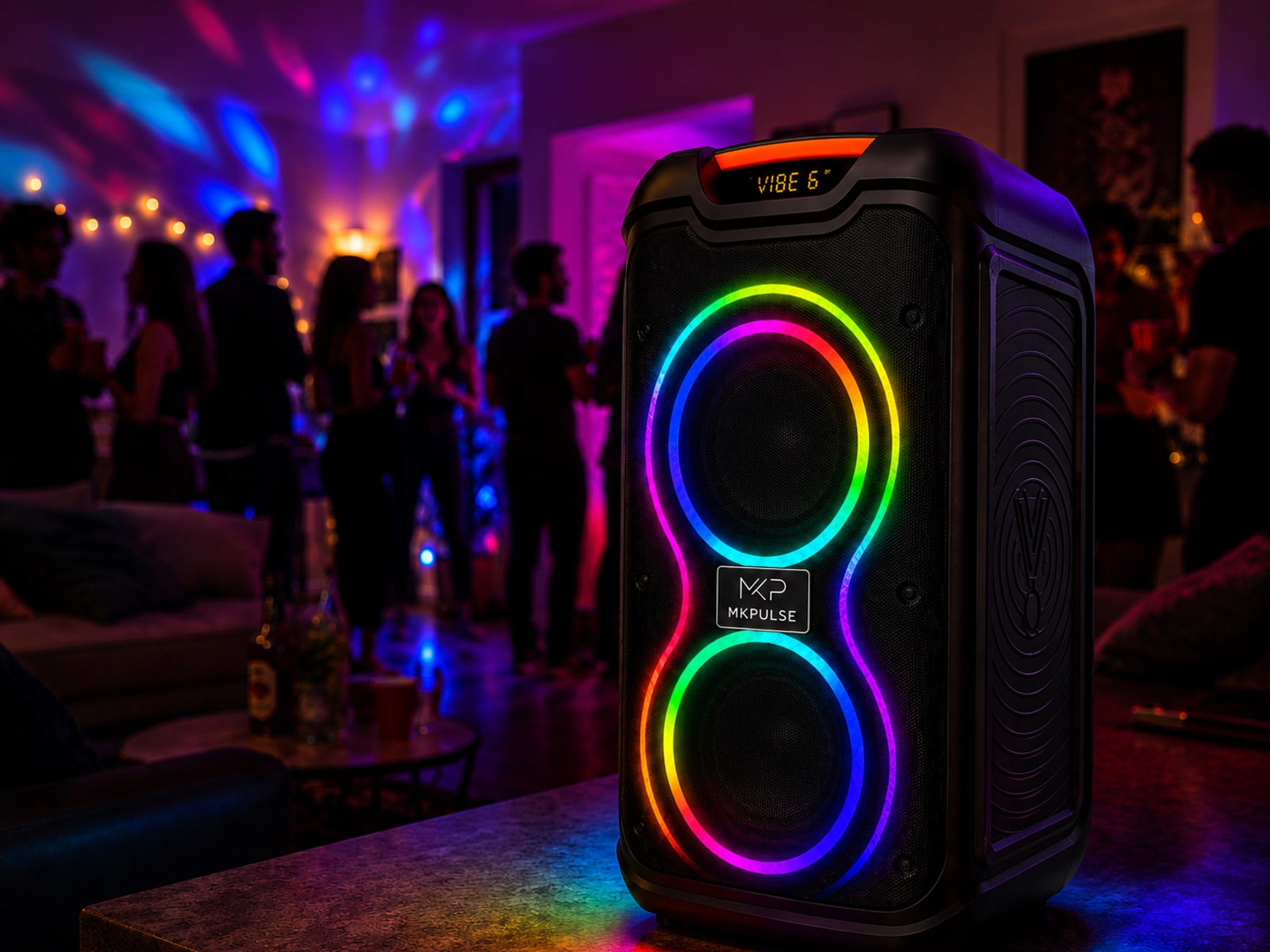
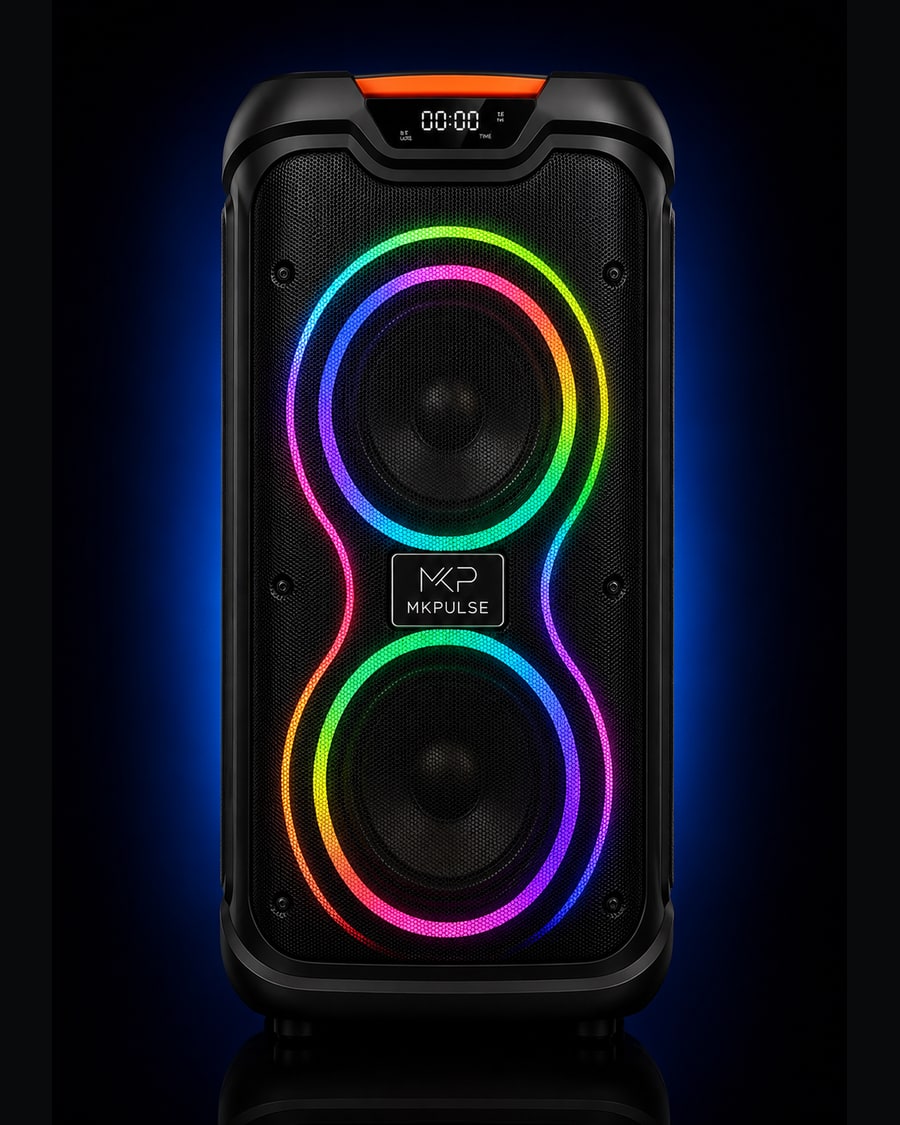
MKPULSE offers two complementary tools. The VIBE 6 is a portable party speaker with dual 6.5-inch drivers, dynamic RGB, Bluetooth, USB, TF, and AUX — strong for bars, late dining, pop-up corners, and branded nights where atmosphere is part of the product. The P10 adds battery PA capability and a wireless mic for restaurants that host tastings, announcements, or private dining speeches. Together they cover mood music and event moments without installing a permanent rack on day one.
How to set levels guests will trust
Start service quieter than you think you need. Walk the dining floor and listen for consonant clarity in playlist vocals. If staff raise their voices, turn down before you turn up midrange harshness. Keep a written target for lunch versus dinner. Consistency builds brand: regulars should feel the same controlled energy every visit.
Avoid placing speakers directly above a two-top at ear height. Aim across the room, use corners carefully, and prevent hot spots near the bar POS. For patios, place cabinets where they cover tables without dumping energy into neighboring residences. Good neighbor behavior is part of restaurant trust in dense cities.
When restaurants need a mic-ready portable PA
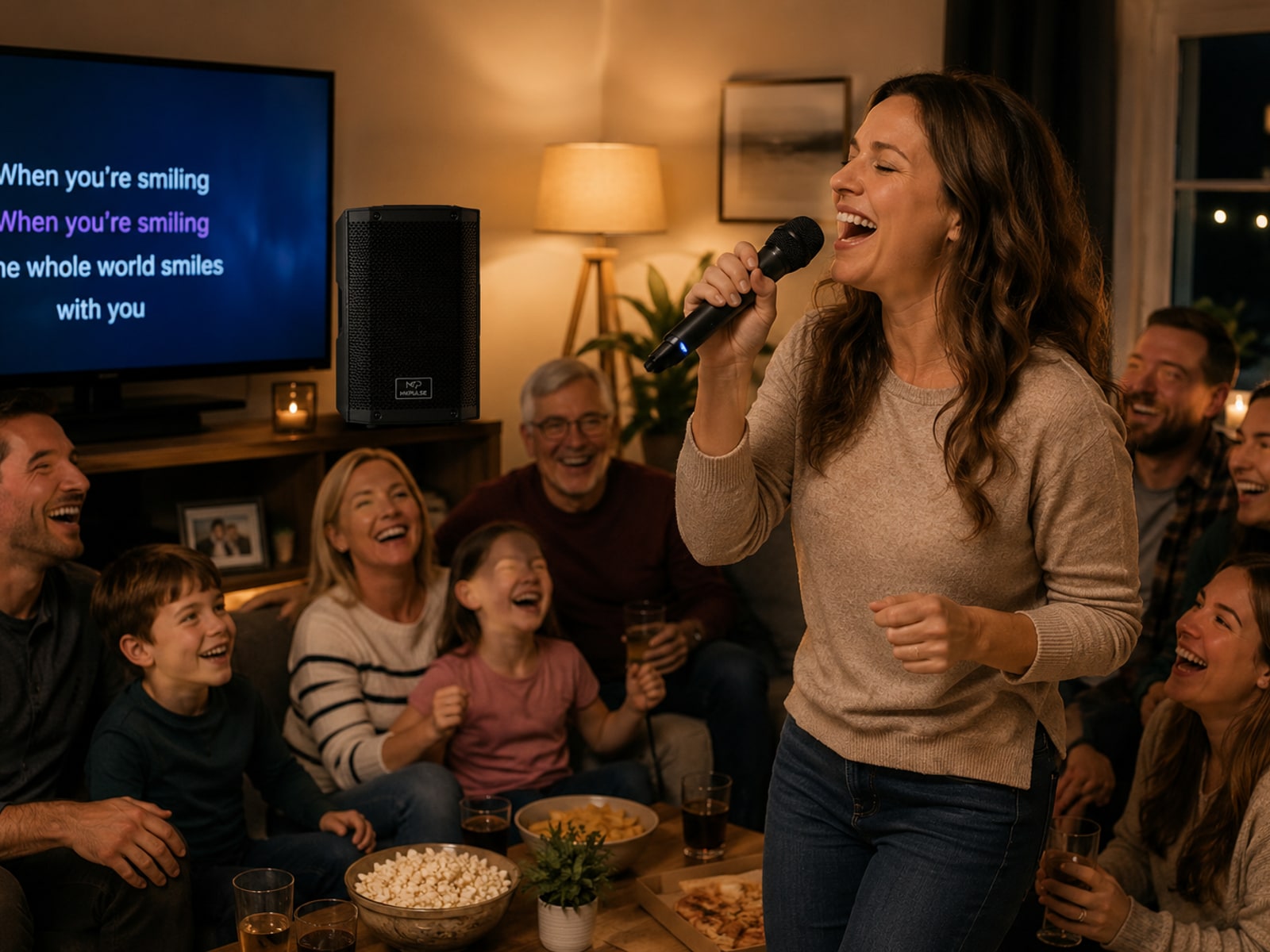
Many venues outgrow pure background music. Wine dinners, chef talks, holiday parties, and brand takeovers need speech. A portable PA system with a wireless mic — such as the P10 — lets the host address the room without renting a full event package. That flexibility turns a dining room into a private-event product you can sell. Guests trust a restaurant that can host a toast cleanly; they remember the opposite for the wrong reasons.
Use DSP or EQ conservatively. Speech modes help announcements. Music modes support playlists. The goal is intelligibility first. If you are hosting a true dance-after-dinner takeover, plan a separate powered PA tier rather than forcing a dining speaker into club duty.

A simple hospitality audio checklist
- Pick primary zones: dining, bar, patio, private room.
- Assign one source of truth for playlists and a backup AUX cable.
- Document lunch and dinner level targets for staff.
- Schedule charge or power checks before service, not during the rush.
- Keep a mic-ready portable PA for tastings and private events.
Operators who write this down stop relying on tribal knowledge. New managers can run the room on week one. That operational clarity is how a cafe speaker system becomes infrastructure instead of a recurring headache.
Why brands and restaurant groups choose clear product lines
Multi-unit groups need repeatable kits. Specifying “VIBE 6 for atmosphere corners” and “P10 for private dining / mic moments” is easier than approving random consumer speakers per location. Consistent SKUs simplify training, spare parts, and brand presentation. MKPULSE publishes straightforward model roles so purchasing teams are not decoding marketing poetry.
RGB on the VIBE 6 can mark late-night identity without rebuilding lighting. Keep light shows restrained during early dinner, then open them for bar peak. Guests read that as intentional hospitality design, not a toy left on full blast.
Build a restaurant sound system guests forget — in a good way
The best compliment is that nobody complained and everybody stayed. For atmosphere-led rooms, start with the MKPULSE VIBE 6. For patio events and mic-led private dining, add the MKPULSE P10. Compare options on the compare page and keep ideas flowing in the Journal.