

A restaurant background music system succeeds when guests never think about it. Music that is too loud shortens conversations and drives complaints; music that is too quiet leaves rooms feeling empty and awkward. Getting restaurant speakers and background music volume right is one of the cheapest atmosphere upgrades available to any operator.
The right background music volume
The practical test needs no meter. Stand at a table mid-room and hold a normal conversation. If you raise your voice or lean in to be heard, the music is too loud. If the room feels hollow when only a few tables are seated, it is too quiet.
Music should sit underneath conversation, filling the gaps between voices rather than competing with them. Two operational realities follow:
- A full room needs more volume than an empty one. Bodies and coats absorb sound. A level set at 5pm will feel thin at 8pm.
- Volume should change through service. A single setting for the entire day is a missed opportunity.
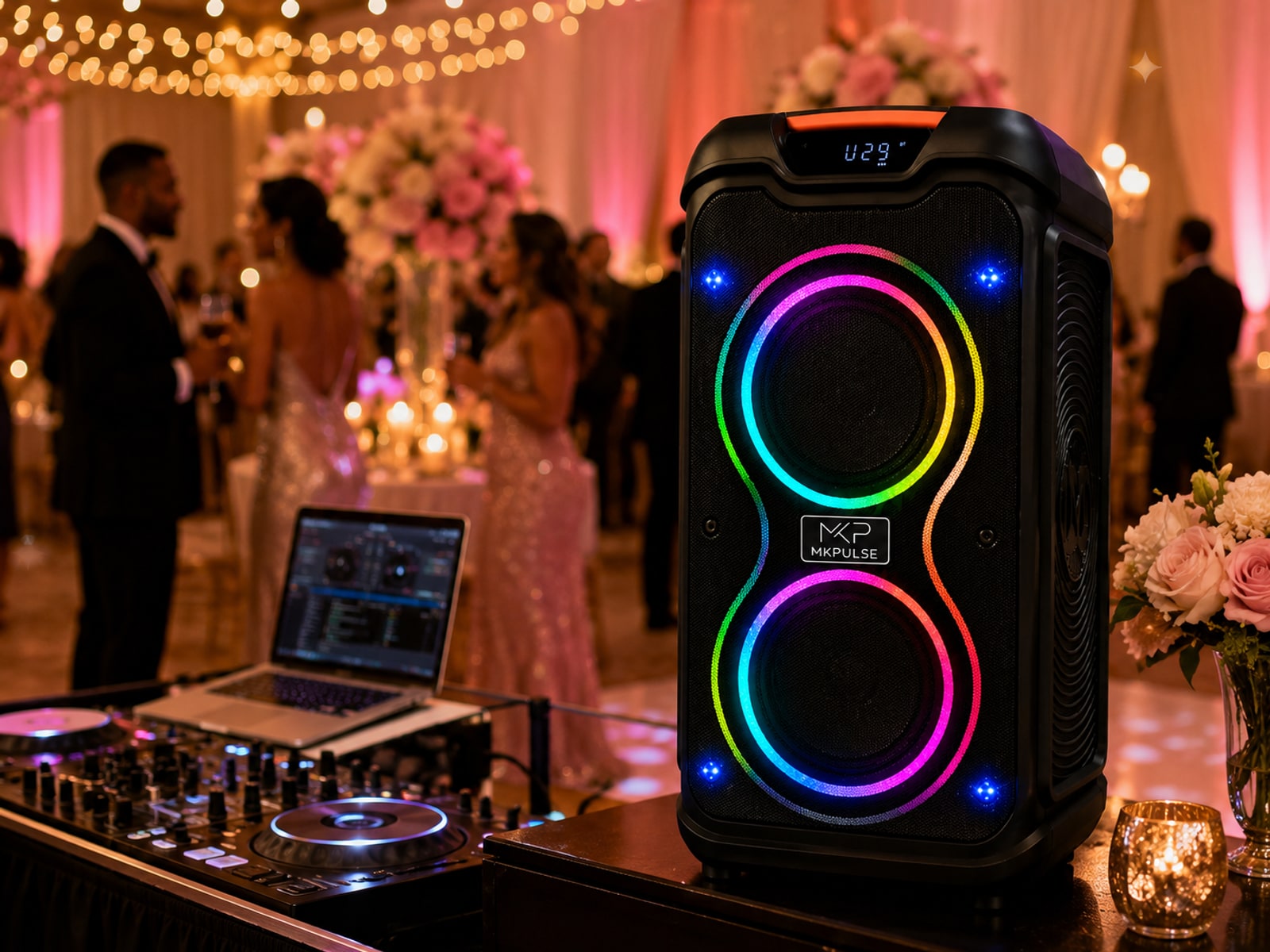
Speaker placement in a dining room
Placement determines whether music feels even or patchy far more than speaker quality does.
- Distribute rather than centralise. Several speakers at moderate level beat one loud source. One source creates a zone nobody wants to sit in.
- Get above head height. Elevated speakers spread sound across a room instead of blasting the nearest table.
- Never aim directly at seating. Angle across the space or slightly downward from a height.
- Protect specific tables. Booths and window seats are premium; do not put a speaker beside them.
- Treat the bar separately. A bar tolerates and often wants more energy than the dining room. Different zone, different level.
- Mind hard surfaces. Tile, glass, and concrete reflect sound and raise the perceived noise floor. Rooms like these need lower levels than carpeted ones.
Programming atmosphere across a service day
The most effective hospitality operators treat music as a schedule rather than a switch:
- Brunch and lunch — bright, low, unobtrusive. Turnover is high and tables are talking.
- Early dinner — warmer, still comfortably beneath conversation.
- Peak dinner — a modest lift as the room fills and absorbs more sound.
- Late service — this is where energy can rise. Guests who stay past dessert are there for the atmosphere.
Lighting reinforces the shift. The VIBE 6 is built for this kind of hospitality work: dual 6.5-inch drivers with dynamic RGB lighting and Bluetooth, USB, TF, and AUX playback. The RGB matters more than it first appears — it marks the transition into late service without a lighting installation, and it keeps a venue looking intentional in the photos guests post.


Multiple sources, one simple system
Restaurants need more than a single playlist. Multi-input playback keeps operations flexible:
- Bluetooth — streaming services and a manager's curated playlists.
- USB and TF — a fixed, reliable playlist that plays even if the WiFi fails or a phone walks out the door.
- AUX — a wired source for a laptop or house system.
The VIBE 6 also provides wired microphone inputs. To be precise about what that means: these are connection points for a microphone you supply. They are useful for a quiz night, a birthday announcement, or a brief address to the room — but the inputs are the feature, and a microphone is not included with the speaker.
When a restaurant needs speech, not just music
Private dining, tasting menus, and brand nights all reach a moment where somebody must address the room clearly. Background music speakers are not designed for that, and the difference shows immediately.
For hosted moments, the P10 is the appropriate tool — a battery PA with a UHF wireless microphone system and carry bag in the carton, plus a speech DSP preset. It moves between the dining room, the terrace, and a private event space without an install, which is exactly what a venue running mixed events needs.
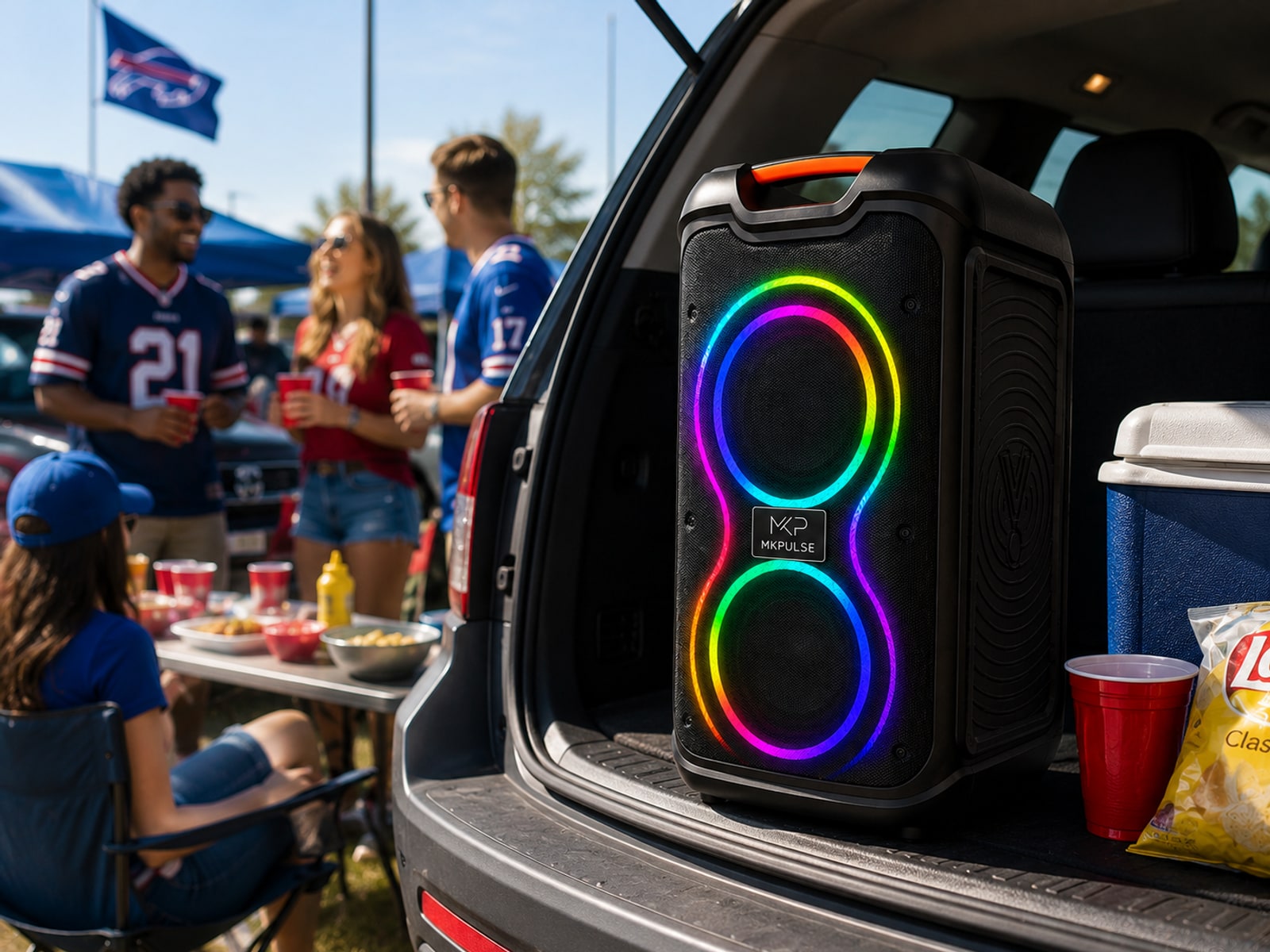
Choose the right MKPULSE speaker
- MKPULSE P10 — 10-inch battery PA for hosted, mobile events.
- MKPULSE S15 — 15-inch powered PA for dance floors and larger rooms.
- MKPULSE VIBE 6 — dual 6.5-inch Bluetooth party speaker with dynamic RGB.
- Compare all three models side by side before you decide.