

Event planners search for an event sound system, a portable PA for events, and a wedding PA speaker for one reason: sound cannot become the reason a timeline slips. Clients remember the toast they could not hear and the playlist that cut out during entrance. Trustworthy production sound is therefore not a luxury add-on. It is risk management. This guide shows planners how to evaluate a portable PA system, when battery PA is enough, when a powered venue cabinet is required, and why MKPULSE designs for the people who set the room up.
What planners actually need from event audio
A planned event usually needs three jobs from one system: background music during arrival, clear speech for welcomes and ceremonies, and higher-energy playback for dancing or celebration. The best portable PA for events handles those shifts without a full festival stage crew. That means enough continuous power for the room, a microphone path that works on the first try, and a footprint small enough for hotel ballrooms, rooftops, restaurants, and outdoor tents.
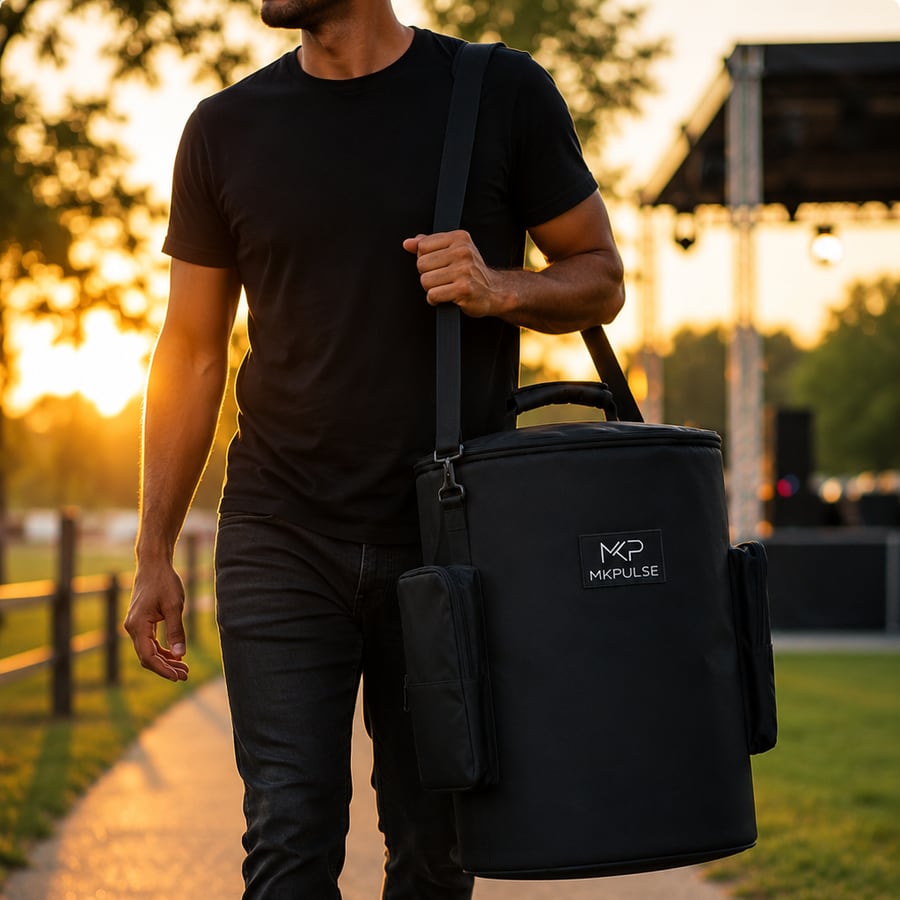
Planners also inherit venue constraints. Power outlets may be limited. Load-in windows are short. Staff may not be audio specialists. A trusted system reduces decision points: fewer boxes, clearer labels, and a bag that keeps cables and mics together. When a product ships as a complete portable kit, day-of coordination gets simpler and client confidence goes up.

High-intent keywords planners and coordinators use
Search demand clusters around event sound system, portable PA system for events, wedding speaker system, outdoor event speaker, battery powered PA speaker, and wireless mic PA system. Those phrases signal buyers who need reliability under a schedule, not hobbyist tinkering. Content and products that answer logistics — charge time, included mic, carry bag, RMS power — convert better than vague “powerful bass” claims.
MKPULSE maps to that intent with two clear tiers. The P10 is a battery powered PA speaker with a UHF wireless mic and bag in the carton for mobile ceremonies and patio-scale celebrations. The S15 is a 15-inch powered PA with 400W RMS / 800W Peak for larger receptions and dance-forward rooms. Planners can match the cabinet to the headcount instead of forcing one product into every brief.
Why an included wireless mic changes planner trust
Speech failure is the most public audio failure at weddings, fundraisers, and corporate mixers. Renting a separate wireless mic the morning of the event introduces frequency conflicts, dead batteries, and missing receivers. A portable PA that includes a UHF wireless mic system reduces those failure points. The P10 is built around that reality: host and celebrant can talk-test before doors, then keep the mic ready for toasts without rebuilding the rack.
Pair that with Bluetooth for playlists and you cover most planner workflows. Keep a wired AUX option for the DJ who prefers a hard line. Trust grows when every stakeholder — planner, DJ, venue captain — can plug in without reinventing the signal path.
Battery PA vs powered venue PA: a planner decision tree
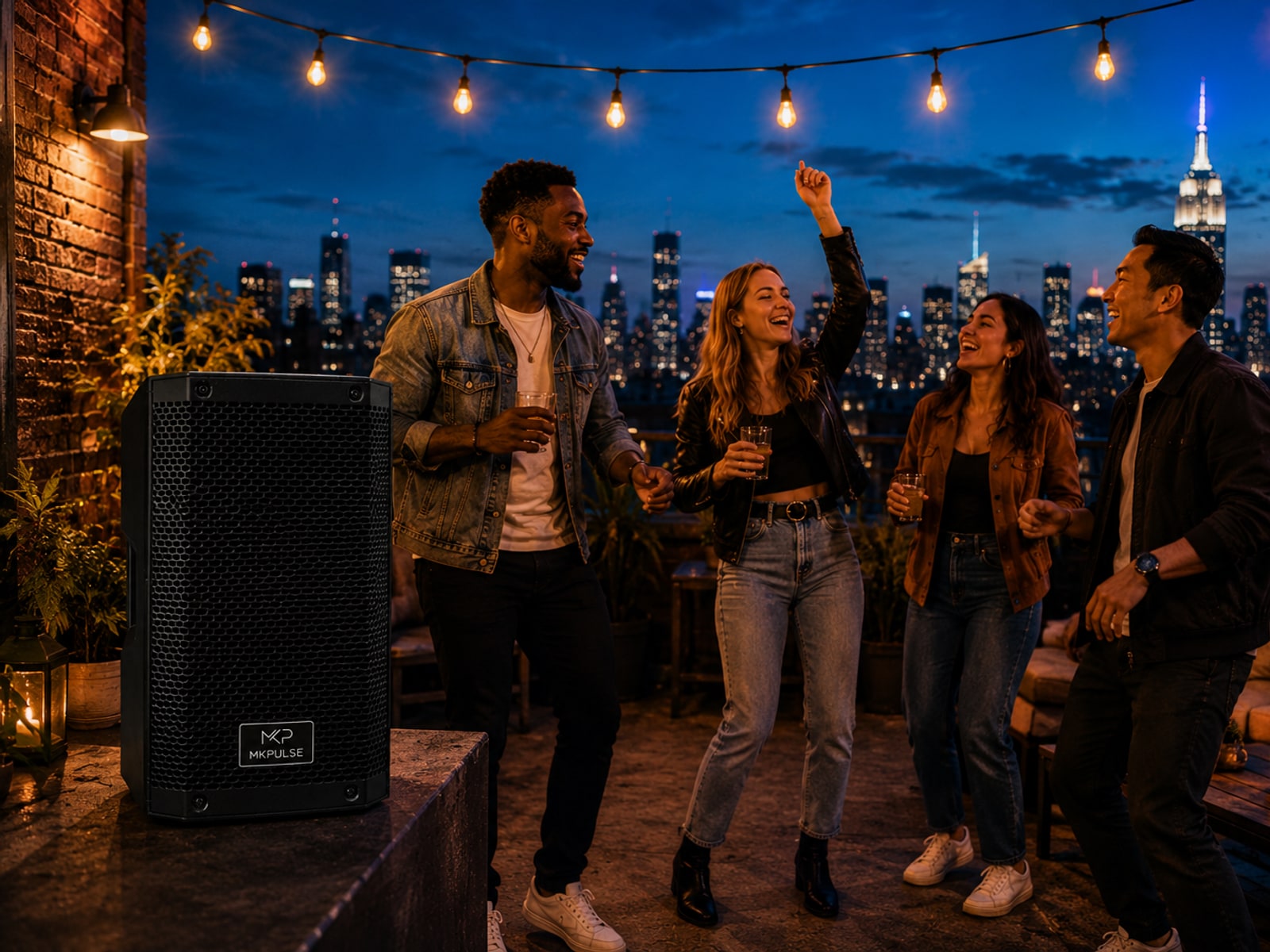
- Choose a battery PA like the P10 for ceremonies, cocktail hours, rooftops, and rooms where outlets are scarce or cable runs are ugly.
- Choose a powered PA speaker like the S15 when the dance floor is the product, the room is large, or the DJ needs continuous high output for hours.
- Plan two zones when needed: battery PA for ceremony clarity, powered PA for reception energy.
- Always sound-check speech from the guest seats, not only from the head table.
This decision tree protects budgets. Overbuying a festival array for a fifty-person brunch wastes money. Underbuying a Bluetooth party speaker for a three-hundred-person reception wastes goodwill. Matching RMS capability and microphone readiness to the brief is how professional planners keep vendors aligned.
Run-of-show audio checklist planners can hand to vendors
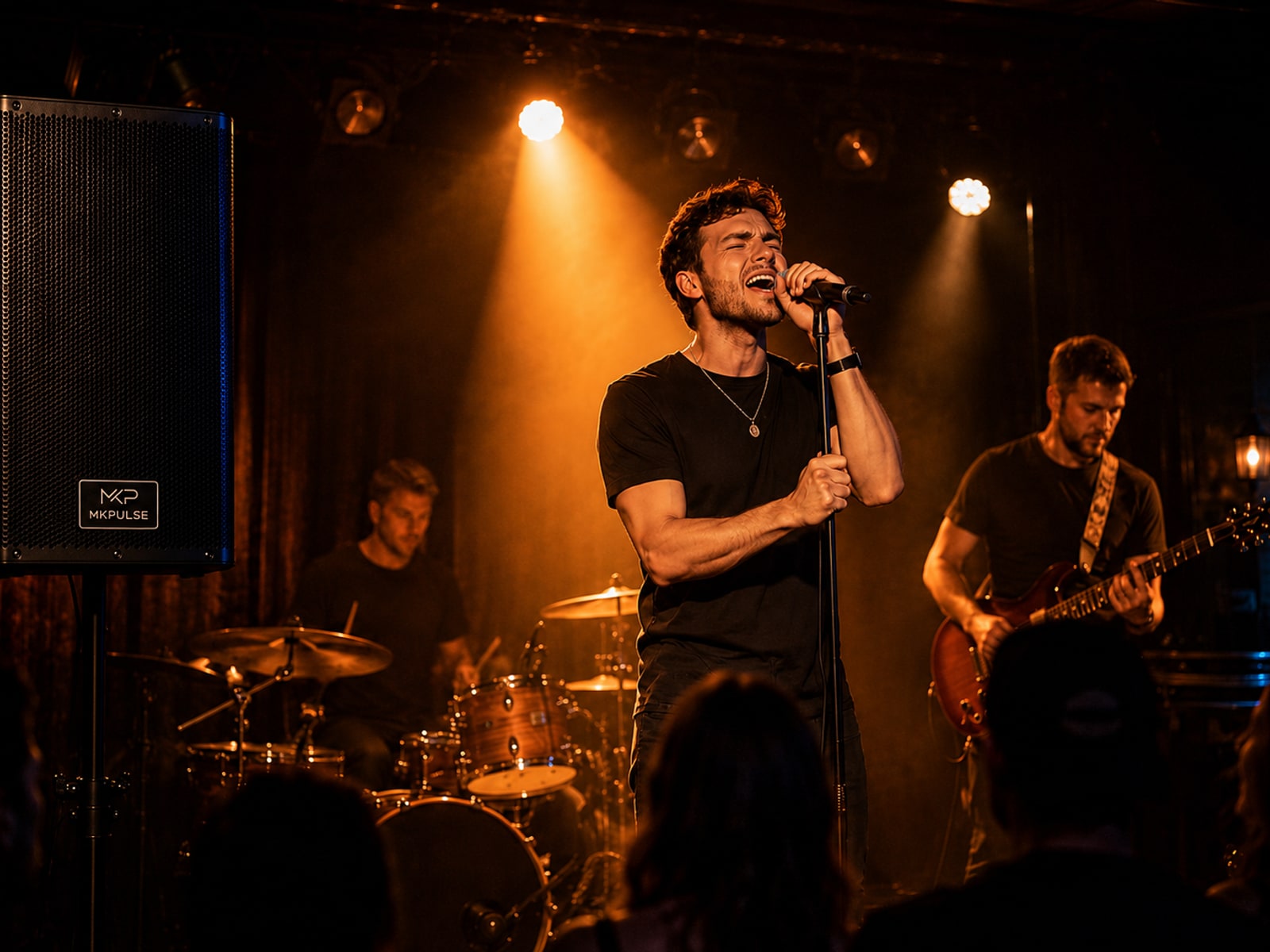
Give every audio vendor the same simple order: confirm power or charge status, place speakers for guest coverage, test wireless mic from the speaking position, play a known track at show-adjacent level, walk the floor, then lock levels before doors. Ask for a dedicated contact if something fails. Put announcement times on the run of show so the mic is live before the cue, not during it.
That process works whether you own MKPULSE gear or rent it. The difference with a clear product line is that the checklist maps to real features: DSP modes for speech vs music, dual inputs for mic plus playback, and published power ratings you can put in a client proposal without guessing.
How MKPULSE supports planner and brand reputation
Planners sell calm. Clients hire you because timelines hold and guests feel cared for. Audio that is late, quiet, or distorted attacks that brand. MKPULSE focuses on portable systems with honest specifications and complete kits so the people who set the room up are not missing a mic or a bag at the worst moment. U.S.-based brand support matters when a re-order or replacement cannot wait until “sometime next month.”
For proposals, name the system tier. “Battery PA with wireless mic for ceremony” and “400W RMS powered PA for reception” reads more professional than “speaker TBD.” Clear language also helps clients understand value when comparing a complete portable PA against a cheap consumer box that will not cover the toast.
Choose the portable PA that matches the event brief
Start with headcount, speech importance, and dance energy. For mobile, mic-forward events, see the MKPULSE P10. For larger rooms and DJ-led nights, see the MKPULSE S15. Use the compare page in client decks, and keep learning with the MKPULSE Journal.